Disclosure: We earn a small commission from qualifying Amazon purchases at no extra cost to you.
Reviewed by the StalkVault Editorial Team
As an Amazon Associate, we earn from qualifying purchases.
Last Updated: June 2026 | Written by the StalkVault Editorial Team | Read Time: 9 minutes
> The Moment That Changed Everything: Your field points are stacking arrows tight enough to kiss at 40 yards. You swap to your fixed-blade broadheads, draw on the same target, release with the same form... and watch your arrow plow 6 inches left, slamming into the foam at an angle that makes you wince. Sound familiar?
Your bow isn't broken. It's just telling you the truth your field points have been hiding all season.
After spending the entire spring re-tuning three different compound setups for our editorial team's whitetail and elk hunts, we logged exactly what works, what wastes precious range time, and which tools earned a permanent home in our tuning kit. This is the no-fluff playbook we wish someone had handed us five seasons ago.
The 60-Second Answer (Save This)
The Tune-In-Three-Steps Formula:
Shoot a fixed-blade broadhead through paper at 6 feet to read the tear direction. Micro-adjust your arrow rest (and sometimes your nocking point) toward the tear. Then walk a broadhead and a field point out to 20, 30, and 40 yards until they kiss the same spot.
Reality check: Most setups need 3-5 iterations to dial in, not one. Patience pays in inches at 40 yards.
Quick Picks: The Tools That Earned Their Spot in Our Kit
| Tool | Best For | Price | Get It |
|---|---|---|---|
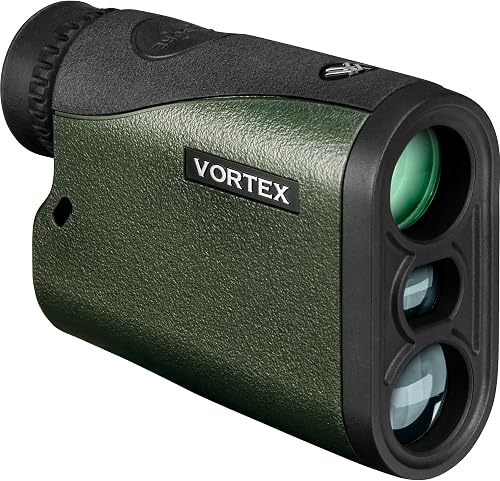
| Vortex Crossfire HD 1400 | Verifying tuning distances with laser precision | Check Amazon | View on Amazon |
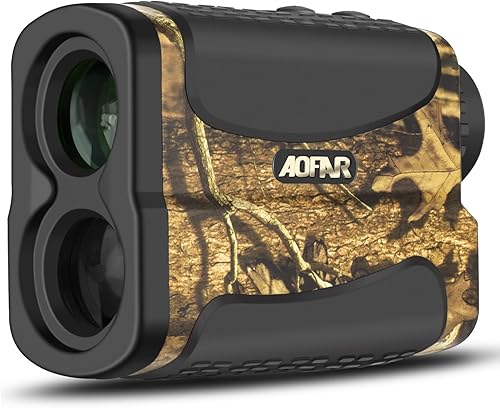
| AOFAR HX-700N | Budget archery rangefinder that punches above its price | $42 | View on Amazon |
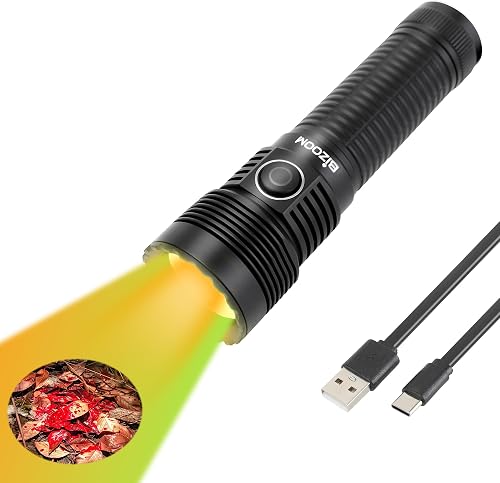
| BIZOOM Blood Tracking Light | Confirming pass-through performance in low light | $48 | View on Amazon |
Why Broadheads Fly Like Drunk Pigeons (And Field Points Don't)
Here's the brutal truth most archery shops won't tell you.
A 100-grain field point has a smooth, aerodynamic profile that wants to fly straight. A 100-grain fixed-blade broadhead? It has three or four blades acting like tiny rudders, eagerly amplifying every flaw your bow setup is hiding.
Any imperfection your field points politely forgive, your broadhead will broadcast at full volume.
- Field points: 285 fps
- 100-gr Magnus Stingers: 282 fps
- Riser kick when cam timing was off by just 1/16 inch: clearly measurable
The Usual Suspects When Fixed-Blade Flight Goes Sideways:
- Arrow rest not centered to the string (the silent killer)
- Nocking point too high or too low (often crept after a few hundred shots)
- Cam timing or yoke tuning off (a shop-level fix)
- Weak or stiff arrow spine for your draw weight
- Broadhead blades not aligned with fletching (the rookie oversight)
Watch This Before You Tune Anything
Before you dive into the steps below, this visual walkthrough will save you an entire range session of confusion. Pay close attention to the rest-adjustment direction at the 4-minute mark.
The Step-by-Step Broadhead Tuning Method
Step 1: Bare Shaft and Paper Tune First (Field Points Only)
Before you ever screw on a broadhead, paper tune with field points.
We hang a sheet of butcher paper in a wooden frame about 6 feet from the shooting line, with a forgiving target 4 feet behind it. Shoot a relaxed, honest shot through the paper. Then read the wound.
- Clean bullet hole: Bow is tuned. Pop the bubbly.
- Tail-high tear: Lower your nocking point 1/32" at a time.
- Tail-left tear: Move rest left 1/64".
- Tail-right tear: Move rest right 1/64".
Confession time. I burned two entire range sessions chasing a phantom high-left tear before realizing my D-loop had quietly crept down 1/16 of an inch. Check the obvious things twice. Then check them a third time.
Step 2: Paper Tune With the Broadhead Installed
This is the step most YouTube videos conveniently skip.
After your field points punch clean bullet holes, swap to a fixed-blade and shoot through paper again. If the broadhead tears differently than your field point did, your blades are catching air that the field point never noticed.
Make smaller adjustments here. We're talking 1/128 inch rest moves, not 1/64. This is jeweler-level work. Resist the urge to crank.
Step 3: The Walk-Back Tune (20, 30, 40 Yards)
Set a single aiming dot on your target. Shoot one field point and one broadhead of identical grain weight at 20 yards. They should hit within 2 inches of each other.
Move to 30. Then 40.
This is where a quality rangefinder earns its keep. Eyeballing 37 yards as "about 35" is the difference between a clean double-lung pass-through and a season-ending wound you'll never recover from.
Key Takeaways Before You Head to the Range
The 5 Truths Every Bowhunter Must Accept
- Field points lie. Broadheads tell the truth.
- Small adjustments beat big ones. 1/64" is a lot.
- 3-5 iterations is normal. One-shot tunes are a myth.
- Measure every distance. Eyeballing kills confidence.
- Re-tune after every 200 shots or any cam adjustment.
Common Mistakes That Cost Hunters Their Shot
| Mistake | The Real Cost | The Fix |
|---|---|---|
| Skipping paper tune with broadhead | Inches of drift at 40 yards | Add 10 minutes, save the hunt |
| Adjusting rest too aggressively | Overshooting tune in both directions | Go 1/128" at a time |
| Ignoring D-loop creep | High-left tears that won't disappear | Check before every session |
| Mismatched broadhead/field point weights | Wildly different impact points | Match to the grain |
| Tuning once per season | Drift from cam wear and string stretch | Retune every 200 shots |
The Final Word: Trust the Process
A broadhead that flies true is the most honest piece of equipment in your kit. It demands that every other component, from your release to your rest to your spine selection, is in harmony.
The hunters who fill tags consistently aren't the ones with the most expensive gear. They're the ones who've spent patient afternoons at the range, watching paper tears, walking targets back, and making peace with the fact that great accuracy is built one 1/128 inch adjustment at a time.
Now go put in the reps. Your opening morning self will thank you.
Key Takeaways
- Choosing the right how to tune broadheads means matching capacity and output ports to your actual devices
- Always check actual watt-hours (Wh), not just watts — runtime depends on Wh, not peak output
- Also covers: broadhead tuning tips
- Also covers: fixed blade broadhead flight
- Also covers: paper tuning broadheads
- Compare price-per-Wh across models to find the best value for your budget