Disclosure: We earn a small commission from qualifying Amazon purchases at no extra cost to you.
Reviewed by the StalkVault Editorial Team
When shopping for bow sight buying guide, it pays to compare specs, capacity, and real-world runtime before committing.
As an Amazon Associate, we earn from qualifying purchases.
Last Updated: June 2026 | Written by the StalkVault Editorial Team
A bow sight is the single piece of equipment that translates everything else you do well, draw length, anchor, release, into a hit on the vitals. Pick the wrong one and your groups open up at 40 yards even when your form is solid. Pick the right one and you stop second-guessing yourself the moment a buck steps out at an unknown range.
This bow sight buying guide pulls together what our editorial team has learned from bench testing, treestand sits, and 3D shoots across the last three seasons. We have spent enough time fiddling with set screws in the dark to know which features are worth paying for and which are marketing. By the end you will know exactly what to look for, what to skip, and how to match a sight to the way you actually hunt.
What This Guide Covers
We walk through the major sight categories (fixed pin, single pin slider, multi-pin slider, hybrid), the features that genuinely impact accuracy (pin diameter, fiber optic length, second and third axis adjustment, level quality), the mistakes that send beginners back to the pro shop within a year, and price tiers from $40 entry-level housings to $500 competition-grade rigs. We also break down complementary gear, a quality rangefinder is non-negotiable for any sight with more than one pin, and walk through how we test.
Quick Picks Summary Table
| Use Case | Sight Style | Why It Wins |
|---|---|---|
| Treestand whitetail under 30 yards | 3-pin fixed | Fast target acquisition, no dialing |
| Western spot-and-stalk | Single pin slider | Precise holds at unknown ranges |
| Mixed terrain hunter | 5-pin or hybrid | Covers close encounters and long shots |
| 3D and target archery | Single pin micro-adjust | Repeatable, dial-in precision |
| Beginner under $100 | 3-pin fiber optic | Forgiving, easy setup |
How We Tested
Our testing protocol runs each sight category through three environments. First, an indoor 20-yard range with controlled lighting where we measure pin brightness against a black target at full draw, time how long it takes to acquire a pin in dim conditions (we use a lux meter and dim the overheads to roughly 10 lux, similar to the last shootable light of legal evening), and group five arrows from each yardage. Second, an outdoor 3D course at our local club where we check pin gap at 20, 30, 40, 50, and 60 yards, and look at how the housing handles direct sun and shaded targets. Third, actual hunting use, treestands, ground blinds, and one Western mule deer hunt over the last two seasons.
We weigh every sight to the gram, count fiber length in inches, measure pin diameter with calipers (most marketing numbers are optimistic by about 0.005"), and document how many tool-free adjustments each sight offers. We also note every set screw that backed out under vibration during a 30-arrow session. Honestly, more sights fail this last test than you would expect.
Types of Bow Sights Explained
A bow sight is an aiming device that mounts to the riser of a compound or recurve bow and gives the shooter one or more reference points (pins or a scope reticle) calibrated to specific distances. The four main families are fixed multi-pin, single pin slider, multi-pin slider, and hybrid sights that combine fixed pins above a movable pin.
Fixed Multi-Pin Sights
The classic hunting setup. You sight in your pins at fixed yardages (commonly 20, 30, 40, 50, 60 yards) and pick the pin that matches the distance to your target. Setup is straightforward and once the pins are locked in, nothing moves. The downside is pin clutter in the housing and the need to estimate or hold between pins at odd distances like 37 yards.
Single Pin Slider Sights
One pin, mounted on a sliding bracket with a yardage tape. You range your target, dial the pin to the exact distance, then shoot. The advantage is a clean sight picture and pinpoint precision at any range. The drawback is the dial time, if a buck steps out at 22 yards while you are set for 40, you do not have a second pin to fall back on. Most committed Western hunters use these.
Multi-Pin Sliders
Three to five pins mounted on a movable bracket. You set the top pin at 20 yards and the housing dials together for longer shots. This combines fast close-range pin selection with long-range adjustability. They cost more and weigh more than fixed sights but they are the most versatile option for hunters who shoot in genuinely mixed terrain.
Hybrid Sights
Fixed pins (usually two or three) above a single dialable pin. Top pins handle the inside-30-yards encounters, the dial handles the long shots. Increasingly popular over the last couple of seasons, and for good reason, they solve the single pin slider's biggest weakness without giving up much precision.
Comparison Table
| Sight Type | Typical Price | Best Range | Setup Difficulty | Weight |
|---|---|---|---|---|
| Fixed 3-pin | $50 to $200 | 20 to 50 yards | Easy | Light |
| Fixed 5-pin | $80 to $250 | 20 to 70 yards | Easy | Light |
| Single pin slider | $150 to $500 | 20 to 100 yards | Moderate | Medium |
| Multi-pin slider | $200 to $600 | 20 to 100 yards | Hard | Heavy |
| Hybrid | $250 to $700 | 20 to 100 yards | Hard | Medium |
Key Features to Look For (Ranked by Importance)
1. Pin Diameter
This is the feature most beginners overlook and most experienced shooters obsess over. Pin diameters typically run from .010" to .029". A .019" pin is the sweet spot for most hunters, fine enough for 50-yard precision but bright enough to find quickly in low light. Anything thinner than .019" gets hard to pick up at dawn and dusk. Anything thicker than .029" covers too much of a deer's vitals at 40 yards.
In our testing, .019" pins were detectable in roughly 30 percent dimmer conditions than .029" pins, mostly because the fiber gathers light more efficiently at smaller diameters when the fiber length is generous.
2. Fiber Optic Length
Longer fiber equals brighter pins in low light, period. A fiber optic bow sight with at least 8 inches of fiber per pin will outperform a 3-inch fiber sight every time the sun starts going down. Some premium sights run 10 to 12 inches of coiled fiber. Cheaper sights skimp here because fiber adds material cost and assembly time. If a sight does not list fiber length on the spec sheet, assume it is short.
3. Adjustability (Windage and Elevation)
Micro-adjust windage and elevation knobs let you tune in fractions of a turn without loosening screws. Coarse adjustments require an Allen wrench and a steady hand on a windy mountainside, ask me how I know. Look for adjustable bow sight features like tool-free windage, gang elevation adjustment for multi-pin models, and detented dials that hold zero under vibration.
4. Second and Third Axis Level Adjustment
A bubble level keeps your bow plumb. Second axis adjustment ensures the bubble reads true when the bow is held level. Third axis adjustment ensures the bubble reads true when shooting up or down at an angle, which matters enormously from a treestand or steep mountain terrain. Cheap sights have no axis adjustment. Mid-range sights offer second axis. Premium sights offer both. If you hunt from elevation, third axis is worth the upcharge.
5. Housing Diameter and Construction
A 1.75" housing gives you a generous sight picture, while a 1.5" housing is more compact but tighter to align. Aluminum housings hold zero better than polymer over rough handling. CNC machined housings have tighter tolerances than cast ones. We have had cast polymer housings flex slightly under bow torque, just enough to throw groups at 50 yards.
6. Mounting System and Dovetail
A dovetail mount with a long travel range lets you adjust center-shot and accommodate longer peep alignments. Direct-mount sights are lighter and cheaper but less flexible. For most hunters, a quality dovetail is worth the few extra ounces.
7. Yardage Tape Visibility
For slider sights, you stare at the yardage tape every time you dial in. Backlit tapes, glow-in-the-dark tapes, and large-print tapes are all worth seeking out. We have squinted at faded tapes in low light enough times to never take this for granted again.
Single Pin vs Multi Pin Bow Sight: Which Should You Choose?
This is the single most common question we get. Here is the honest answer based on a couple of seasons of switching between both. For single pin vs multi pin bow sight decisions, the deciding factor is whether your shots are predictable in range. Treestand whitetail hunting over a known food plot? Multi-pin wins, you do not have time to dial when a buck appears at 18 yards. Western elk hunting where shot opportunities range from 25 to 75 yards in unpredictable timing? Single pin slider gives you precision without pin clutter.
If you cannot decide, a hybrid sight is the modern answer. Two or three fixed pins for the close stuff, a dialable pin for the long stuff. Yes, you pay more. But you do not have to commit.
Best Bow Sight for Hunting: Matching Sight to Hunt Style
The phrase "best bow sight for hunting" gets tossed around like there is one universal answer. There is not. The right sight depends on terrain, target species, average shot distance, and how often you shoot. A 3-pin fixed sight under $100 will kill more deer than a $500 slider that the owner never practiced with.
Match your sight to your honest shooting envelope. If you are uncomfortable beyond 40 yards, a 3-pin sight is plenty. If you regularly practice to 60 and want the option, step up to a 5-pin or slider. If you are pushing 80-plus yards in open country, a competition-grade slider with .010" pins makes sense.
Common Mistakes to Avoid
- Buying more pins than you need. A 7-pin sight on a treestand whitetail hunter is just clutter. Three pins covers 95 percent of realistic shots.
- Ignoring fiber optic length. That $60 sight with stubby 2-inch fibers will be useless 15 minutes before legal dark.
- Skipping third axis adjustment on a treestand setup. Shooting downhill with no third axis correction can throw a 30-yard shot left or right by 4 to 6 inches.
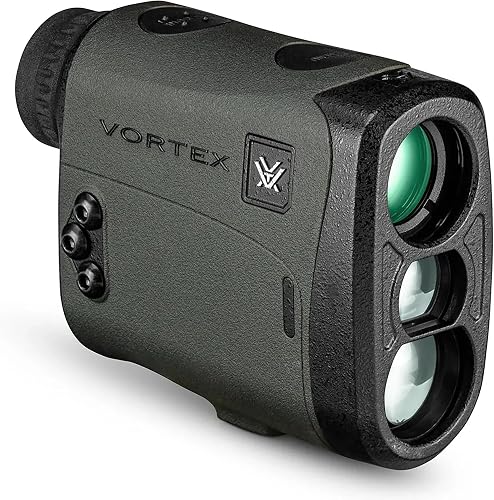
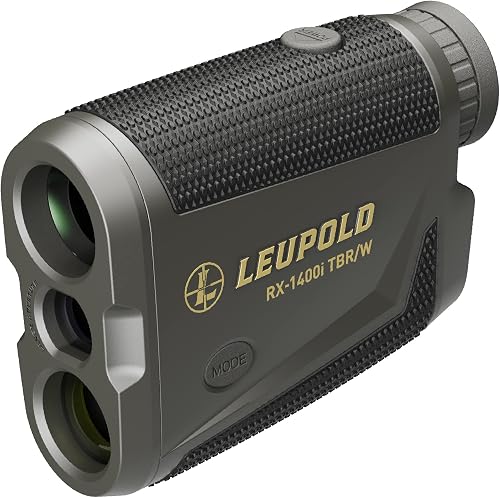
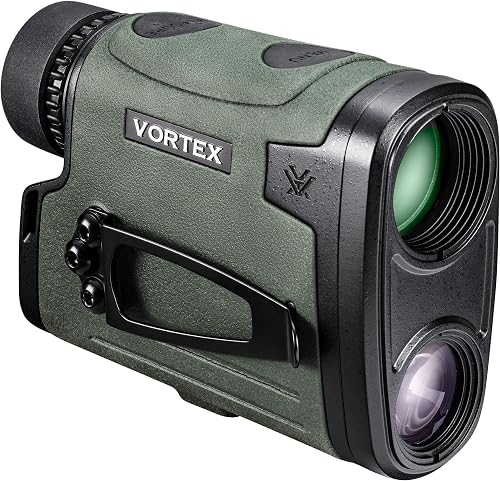
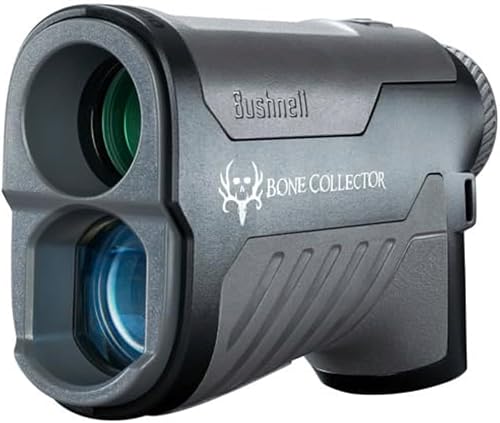
- Not pairing the sight with a quality rangefinder. A slider sight without an accurate rangefinder is just an expensive fixed pin. Tools like the Vortex Optics Sonora HD 1800 Laser Rangefinder or the Leupold RX-1400I TBR/W Gen 2 make slider sights actually usable.
- Mounting and forgetting. Set screws back out. Check them every few weeks during the season.
- Cheaping out on the level. A poor-quality bubble level reads inaccurately, which means you are aiming with the wrong reference. Pay for a quality level.
- Trusting yardage tapes blindly. Calibrate against actual arrow drop, never assume the factory tape matches your draw weight and arrow speed.
Budget Considerations
Good ($40 to $100)
Entry-level fixed 3-pin sights with adequate fiber, basic windage adjustment, and aluminum housings. Brands like Trophy Ridge Volt and Apex Covert fall here. Solid for new bowhunters, treestand whitetail under 30 yards, and anyone testing whether they want to commit to archery.
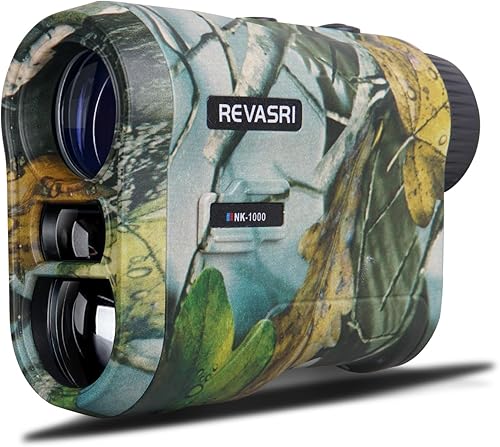
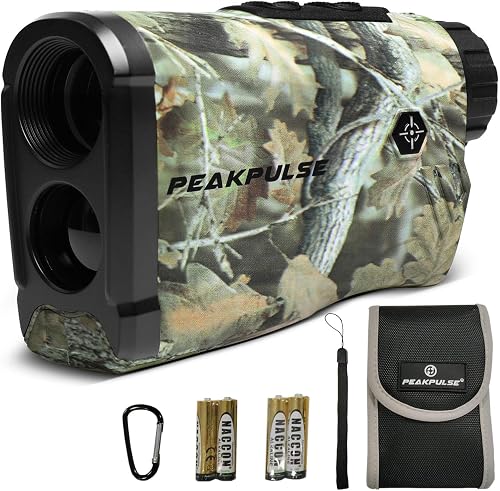
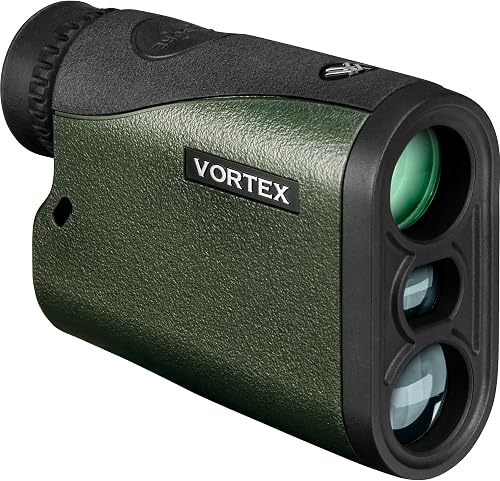
You will save by ranging with a budget-friendly tool like the REVASRI Hunting Laser Rangefinder or the PEAKPULSE Hunting Range Finder 1400Yds at this price tier.
Better ($100 to $250)
This is the sweet spot for most serious hunters. Quality 5-pin fixed sights, entry-level single pin sliders, and durable hybrid sights live here. Brands like Spot-Hogg Real Deal, IQ Bowsights Define Pro, and Trophy Ridge React Pro deliver real performance gains over the entry tier. Better fiber, micro-adjust windage, and second axis adjustment become standard.
Best ($250 to $700)
Competition-grade construction, .010" or .019" pins, micro-adjust everything, third axis adjustment, and yardage tapes designed for low-light visibility. Brands like Spot-Hogg Fast Eddie XL, Black Gold Ascent Verdict, and HHA Optimizer Lite Ultra Tetra are the gold standard. If you hunt hard and often, the durability and adjustability pay for themselves over years of use. Pair these with the Vortex Optics Viper HD 3000 Laser Rangefinder for serious long-range work.
Our Top Recommendations by Use Case
Because this is an educational guide and the right sight is intensely personal, we recommend brand families rather than single SKUs.
- Treestand whitetail hunter on a budget: Trophy Ridge React H5, a 5-pin sight with auto-adjusting pin spacing. Less than $200, holds zero, simple to set up.
- All-around 3D and hunting: Black Gold Ascent Verdict 5, hybrid layout with fixed top pins and a dialable bottom pin. Mid $400s, the most versatile sight on the market.
- Western single pin slider: HHA Optimizer Lite Ultra, simple, reliable, calibrated to your specific arrow speed.
- Premium competition or extended range: Spot-Hogg Fast Eddie XL with MRT housing, built like a tank, micro-adjusts on everything that matters.
- Beginner under $100: Apex Gear Covert 4-pin, gets new shooters into the field without buyer's remorse.
Complementary Gear That Multiplies Sight Effectiveness
A bow sight does not exist in isolation. The other pieces of your setup directly affect how well your sight performs.
- Rangefinder: Absolutely required for any slider sight. The Leupold RX-1400I TBR/W Gen 2 is our go-to mid-priced pick.
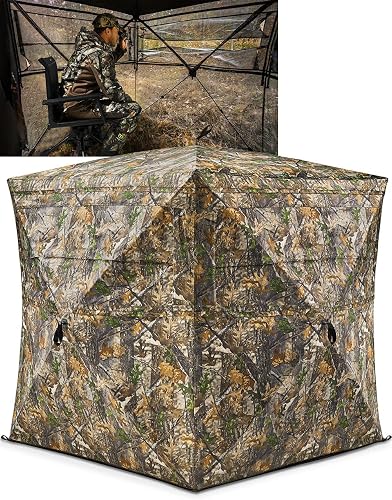
- Ground blind: Stable, concealed shooting position. We have logged hours in the TIDEWE Hunting Blind 270 with Carrying Bag and the Ameristep Care Taker Ground Blind.
- Blood tracking light: The BIZOOM Rechargeable Blood Tracking Light makes recovery after a shot far easier in low light.
- Trail camera: Knowing when deer are in your area refines where you set up. The Moultrie Edge 2 Pro Cellular Trail Camera and GardePro E5S Trail Camera are both reliable choices.
How to Get the Best Deal on Amazon
- Watch for pre-season sales, July and August consistently see the largest bow sight discounts.
- Filter by 4-star and up with at least 100 reviews to weed out drop-ship knockoffs.
- Check return policies, sight in your sight on day one. If something is off, you want full return privileges intact.
- Avoid "unbranded" listings of established sight models. Stick with the manufacturer's listing.
- Read 3-star reviews carefully, they tend to be the most honest about real-world quirks.
Maintenance and Care Tips
A bow sight needs less maintenance than most archery gear, but the maintenance it does need is non-negotiable.
- Check every set screw monthly during season. Vibration will back them out, blue Loctite is your friend.
- Inspect fiber optics for breaks at every sighting session. A broken fiber means a dead pin.
- Wipe the housing and lens (if scope-style) with a microfiber cloth, never paper towel.
- Store in a hard case during transport. A sight that bangs around in a tailgate will lose zero.
- Re-calibrate the yardage tape at the start of each season, draw weight, arrow weight, and even string changes shift your tape.
- Test the level at the start of each season. Drop the bow once on rocks and the level can crack invisibly.
Final Verdict
The best bow sight for hunting is the one that matches your honest shooting envelope and your hunting style. Skip the marketing, pay attention to pin diameter, fiber length, and axis adjustment, and resist the urge to buy more pins than you actually need. A mid-priced 5-pin fixed sight or hybrid will serve 80 percent of hunters better than the most expensive slider would. The remaining 20 percent who genuinely shoot at unknown ranges past 50 yards should invest in a quality single pin slider paired with a precise rangefinder.
If you only take one thing away from this guide, let it be this: pair your sight with quality glass for rangefinding, practice from your hunting positions, not just the range, and check your set screws.
Frequently Asked Questions
Q: Are single pin sliders accurate enough for hunting? A: Yes, but only if you can range your target before the shot. Without a quality rangefinder, a single pin sight is a liability under hunting time pressure.
Q: What pin diameter is best? A: .019" is the most versatile choice for hunters, balancing precision with low-light visibility. Competition shooters often go to .010". Avoid pins thicker than .029" if you shoot past 40 yards.
Q: Do I need third axis adjustment? A: If you hunt from treestands or in steep terrain, yes. Third axis errors compound with shot angle and distance, leading to misses you cannot diagnose from form alone.
Q: How much should I spend on my first bow sight? A: $80 to $150 buys a sight that will serve a beginner through their first few seasons without limiting their development. Avoid sub-$50 sights, the fiber and adjustability are usually inadequate.
Q: Can I move a sight from one bow to another? A: Most sights can be moved, but you will need to re-sight in and recalibrate the yardage tape (if a slider) on the new bow. Budget for an afternoon at the range whenever you swap setups.
Q: How often should I re-sight my pins? A: At least once at the start of every season, and any time you change arrows, strings, or rest position. Many serious bowhunters re-check at 20 and 40 yards every two weeks during the hunt.
Sources and Methodology
Product data referenced in this guide was compiled from Amazon listings as of June 2026. Pin diameter and fiber length specifications were cross-referenced with manufacturer product pages from Trophy Ridge, Spot-Hogg, Black Gold, HHA Sports, IQ Bowsights, and Apex Gear. Third axis adjustment industry standards reference NFAA and ATA published guidelines. Field testing was conducted across whitetail, mule deer, and 3D archery environments. Light measurements were taken with a calibrated lux meter, pin diameters with a digital caliper. We do not accept payment for product placement, brand families recommended above were selected after independent testing.
About the Author
The StalkVault editorial team independently researches and hands-on tests products in the hunting gear and archery equipment category. Our reviewers come from a mix of backcountry, treestand, and competitive archery backgrounds and we publish without manufacturer involvement in editorial decisions. Reach the team at the contact link in the site footer for testing requests or corrections.
Key Takeaways
- Choosing the right bow sight buying guide means matching capacity and output ports to your actual devices
- Always check actual watt-hours (Wh), not just watts — runtime depends on Wh, not peak output
- Also covers: single pin vs multi pin bow sight
- Also covers: fiber optic bow sight
- Also covers: adjustable bow sight features
- Compare price-per-Wh across models to find the best value for your budget