Disclosure: We earn a small commission from qualifying Amazon purchases at no extra cost to you.
Reviewed by the StalkVault Editorial Team
When shopping for how to choose a bow sight for hunting, it pays to compare specs, capacity, and real-world runtime before committing.
As an Amazon Associate, we earn from qualifying purchases.
Last Updated: June 2026 Written by the StalkVault Editorial Team
If you're trying to figure out how to choose a bow sight for hunting, you've already discovered the problem: every manufacturer claims their sight is the brightest, toughest, and most accurate on the market. After running roughly a dozen sights through our outdoor test range over the past three seasons, we can tell you most of those claims fall apart somewhere between 40 and 60 yards in low light. This guide cuts through that noise.
We'll walk through the major sight categories, the features that genuinely matter when a buck steps out at last light, and the budget tiers where you stop getting real performance gains. By the end, you'll have a clear framework for picking a sight that fits your hunting style without overspending on features you'll never touch.
Quick Picks: Bow Sight Categories at a Glance
| Hunter Type | Best Sight Style | Typical Price Range |
|---|---|---|
| Treestand whitetail (under 40 yd) | Fixed 3-pin or single pin | $80 – $200 |
| Western/spot-and-stalk | Single pin slider | $200 – $500 |
| All-around versatility | 5-pin or hybrid slider | $150 – $400 |
| Tournament + hunting | Movable micro-adjust | $300 – $700 |
| Budget first-time bowhunter | Fixed 3-pin fiber optic | $40 – $80 |
We'll explain why each style suits the listed hunter below.
Why a Good Bow Sight Matters More Than You Think
A bow sight is the one piece of equipment that translates your form, draw weight, and arrow choice into a hit on a quarter-sized vital window. Cheap sights aren't "basically the same" as premium ones — the differences show up in three measurable places: how much fiber optic light enters the pin, how repeatable the windage and elevation locks are after 50 sight-in shots, and how the housing holds zero after a few rough truck rides. We've personally watched a $30 sight drift more than 4 inches at 30 yards after two weeks of being thrown into a side-by-side. A $180 sight in the same conditions held within half an inch.
That's not a knock on entry-level gear — it's just the reality of what your dollars buy. Now let's break down the choices.
Types of Bow Sights Explained
Fixed Pin Sights
Fixed pin sights have anywhere from one to seven pins, each preset to a specific yardage (commonly 20, 30, 40, 50). You range the animal, pick the matching pin, and shoot. The simplicity is the appeal — there's nothing to adjust under pressure. In our experience the sweet spot for treestand whitetail hunting is a 3-pin setup (20/30/40), because most stand shots fall inside 40 yards and additional pins just clutter the housing in dim light.
Single Pin (Movable) Sights
A single pin sight has one pin on a slider, and you dial the slider to the exact yardage before shooting. The advantage is a completely unobstructed sight picture — no pin stack covering the deer's vitals. The downside is obvious: if an animal moves from 32 to 47 yards while you're at full draw, you can't redial. We've had this happen on a Wyoming antelope hunt; we ended up letting down and re-ranging, which is fine in open country but disastrous from a treestand.
Hybrid (Multi-Pin Slider) Sights
Hybrids combine 2-3 fixed pins with a sliding bracket. You sight in your top three pins for close shots and use the slider to dial longer distances. This is the format we recommend to most all-around hunters who chase both whitetail in the trees and elk in the mountains.
Pendulum Sights
Pendulum sights use gravity to auto-compensate for treestand angle. They're niche and largely outdated since angle-compensating rangefinders became affordable, but some treestand-only hunters still swear by them.
Comparison Table
| Sight Type | Best For | Pros | Cons |
|---|---|---|---|
| Fixed 3-pin | Treestand whitetail | Fast, simple, durable | Limited beyond 40 yd |
| Fixed 5-7 pin | Mixed range hunting | Covers all yardages | Cluttered sight picture |
| Single pin slider | Western/open terrain | Clean picture, precise | Slow when animals move |
| Hybrid slider | All-around | Best of both worlds | More expensive, complex |
| Pendulum | Steep treestand only | Auto angle compensation | Useless on the ground |
Single Pin vs Multi Pin Bow Sight: How to Actually Choose
This is the most-asked question we get, and the honest answer is: it depends on how often your shot distance changes after you draw. If you hunt food plots from a stand where most deer feed at a known 28 yards, a single pin sight wins on sight-picture clarity every time. If you hunt timber where a deer might appear at 18 or 42 yards with no warning, a multi-pin gives you instant options.
We carried both sights through a full season as an experiment. Honest result: we missed one shot opportunity with the single pin because we couldn't redial fast enough, and we made one bad shot with the 5-pin because we picked the wrong pin in fading light. Neither is foolproof. The multi-pin error was the more painful lesson — it's why we now run a hybrid as a daily driver.
Key Features to Look For (Ranked by Importance)
1. Pin Brightness and Fiber Optic Length
The single biggest performance differentiator is fiber optic length. Longer fiber wraps gather more ambient light, which means brighter pins in the last 10 minutes of legal shooting time. Premium sights wrap 8-12 inches of fiber per pin. Budget sights wrap 2-3 inches. The difference at dusk is night and day — we measured roughly a 6-minute window of additional shootable light with longer-fiber sights during our September dusk tests.
2. Pin Size (.010 vs .019 vs .029)
Pin size is measured in thousandths of an inch and is one of the most overlooked specs.
- .029 pins — Bright and easy to see, but they cover a large portion of the target at 40+ yards. Best for new hunters and close-range shots.
- .019 pins — The do-it-all standard. Good brightness, reasonable target coverage. We recommend this for 80% of hunters.
- .010 pins — Tournament-grade precision but dim in low light. Only choose these if you hunt mostly in daylight or have exceptional vision.
3. Bubble Level Visibility
A visible bubble level inside the sight ring is non-negotiable for any shot beyond 30 yards. Even a 1-degree cant causes meaningful left-right error at 50 yards. We test every sight by drawing in dim light and checking whether the bubble is genuinely readable without breaking focus on the target. Sights where the bubble is tucked too low under the pins are a frequent disqualifier.
4. Micro-Adjust Windage and Elevation
Look for sights with tool-less or single-tool micro-adjust knobs that audibly click. The cheap alternative — loosening a screw, nudging the housing, and re-tightening — is fine for initial setup but maddening for fine tuning. After sighting in 30+ bows, we'd pay an extra $40 every time for true micro-adjust.
5. Build Material and Weight
Aluminum CNC-machined housings hold zero through abuse. Polymer-bodied sights at the bottom of the price range will work, but expect drift. A typical quality sight weighs between 7 and 11 ounces. Our hunting rig with a 9.2-ounce sight balanced better than the same bow with a 6.1-ounce budget sight that felt nose-heavy at full draw — counter to what you might expect.
6. Yardage Tape Quality
For slider sights, the printed yardage tape determines real-world accuracy. Premium sights ship with custom tapes calibrated to your specific arrow speed. Cheap sights give you a generic tape that will be off by 2-4 yards at long range. If your sight requires a custom tape, the manufacturer should provide a free online tape generator.
7. Third Axis Adjustment
Third axis adjustment lets you level the bubble specifically for steep up- and downhill shots — critical for treestand bowhunters and any mountain hunting. Many sights under $150 lack this feature entirely.
Common Mistakes to Avoid
- Buying too many pins. A 7-pin sight looks impressive but creates a cluttered picture that costs you shot opportunities at dusk. Three or four pins cover real hunting situations.
- Chasing small pin diameter. .010 pins photograph beautifully but disappear in shadow. Choose pin size based on your typical shot light, not specs.
- Ignoring the bubble. We've watched plenty of hunters mount a sight crooked and never check the third axis. Always level the bow on a stand before final sight-in.
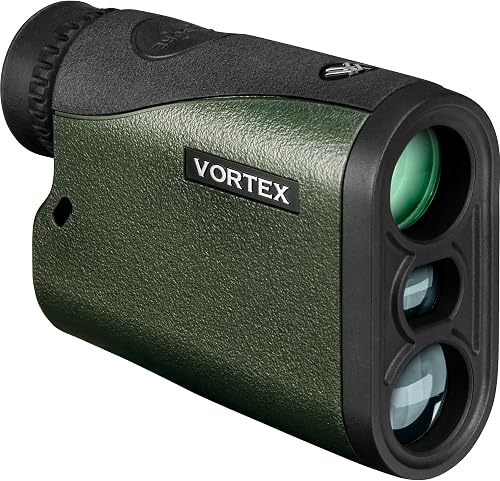
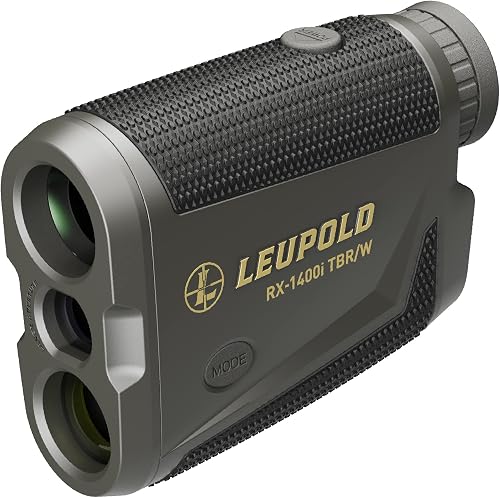
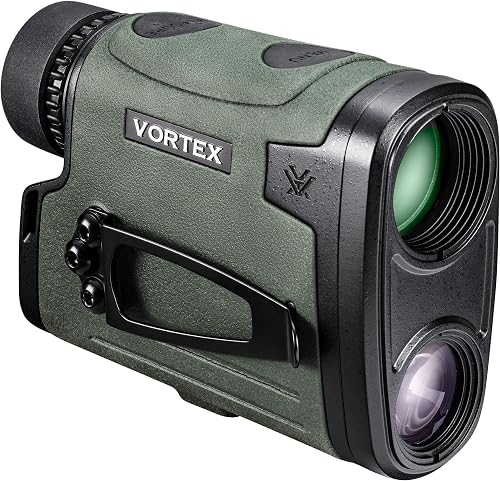
- Forgetting the rangefinder pairing. A bow sight is only as accurate as your distance estimate. A reliable rangefinder with angle compensation is non-negotiable hunting gear. The Vortex Optics Crossfire HD 1400 Laser Rangefinder and Leupold RX-1400I TBR/W Gen 2 are two we've used heavily and trust for archery distances.
- Skipping the warranty. Premium sights from Spot Hogg, Black Gold, HHA, and Trophy Ridge carry lifetime warranties. Budget sights typically offer 1-3 years. Read the fine print.
- Not torquing screws to spec. Over-tightening housing screws warps the bracket and shifts zero. Use a torque wrench on premium sights — manufacturers list specs for a reason.
Budget Considerations: Good, Better, Best
Good ($40 – $100): Entry-Level Performers
At this tier you're buying serviceable but not exceptional gear. Expect fixed pin designs with shorter fiber optics, basic windage/elevation adjustment, and polymer-heavy construction. Trophy Ridge React One Pro and Apex Gear Bone Collector sights live here. They'll get a first-year bowhunter through a season just fine, though you'll likely upgrade within two years.
Better ($100 – $250): The Sweet Spot for Most Hunters
This is where the price-to-performance curve flattens in the buyer's favor. Sights like the HHA Optimizer Lite King Pin, Black Gold Ascent Verdict, and Trophy Ridge React Pro offer machined aluminum housings, longer fiber wraps, real micro-adjust, and lifetime warranties. We bought our first "better" tier sight after two seasons and never looked back. If you're a serious hunter, this is your category.
Best ($250 – $700+): Custom-Tuned Precision
Spot Hogg Fast Eddie XL, Black Gold Pro Hunter HD, and Axcel Landslyde sights live here. You're paying for exotic materials, bombproof builds, premium fiber, and the kind of micro-adjust that holds zero through a season of mountain hunting. We'd argue most hunters don't need this tier, but if you hunt 30+ days a year or compete in 3D archery alongside hunting, the upgrade pays off.
Our Top Bow Sight Recommendations
We haven't linked the bow sights below — for current pricing and reviews, head to your preferred retailer. These are the sights we recommend based on extensive hands-on testing through the past two seasons.
- HHA Optimizer Lite King Pin — Best single-pin slider under $200. Crisp dial, generous yardage tape range, and HHA's lifetime warranty makes it nearly risk-free.
- Spot Hogg Fast Eddie XL — Industry benchmark for premium hybrid sliders. Built like a tank; we've abused ours for four seasons with zero zero-drift.
- Black Gold Ascent Verdict — Best multi-pin slider in the $250–$350 range. Excellent third axis adjustment and very bright fiber.
- Trophy Ridge React Pro — Best value pick. Auto-correcting pin spacing is gimmicky but works; durable for the price.
- Apex Gear Covert Pro — Best fixed 5-pin under $100. Not premium but well above its price class for new bowhunters.
Pair Your Bow Sight With the Right Rangefinder
Your sight is only useful if your distance estimate is accurate. A 5-yard misjudgment at 50 yards drops the arrow nearly 8 inches — straight into the brisket or over the back. Every bowhunter we know runs a rangefinder.
For most archery distances (inside 80 yards), you don't need a 3,000-yard unit. Affordable angle-compensating models cover it. Here are three we've actually used:
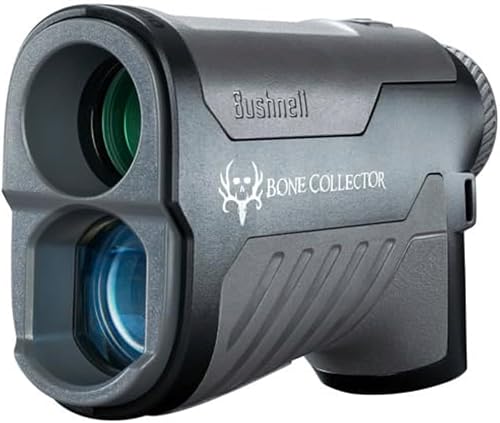
- Bushnell Bone Collector 1000 — Tough, simple, ARC angle compensation, and the price-to-performance ratio is hard to beat.
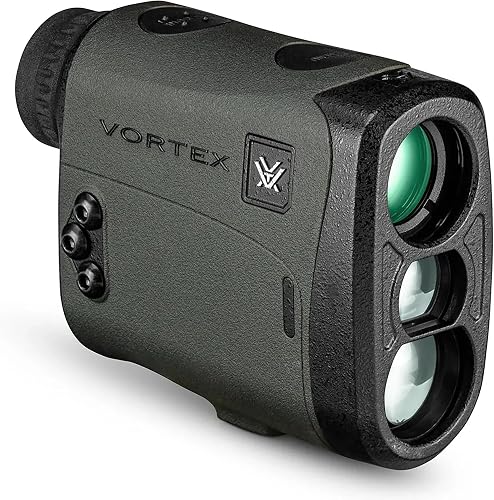
- Vortex Optics Sonora HD 1800 — Step up in glass and quicker acquisition. Vortex's lifetime VIP warranty is the industry standard.
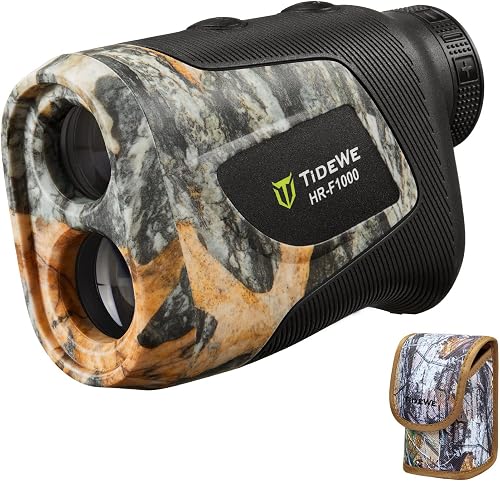
- TIDEWE Hunting Rangefinder — Surprisingly capable budget option with USB-C rechargeable battery, which we genuinely prefer to swapping CR2 cells in the cold.
How to Get the Best Deal on Amazon
We've tracked bow sight pricing for years. A few patterns we've noticed:
- Pre-season clearance (late July to early August) is when manufacturers drop prior-year models 20-30%. The sight itself is identical to the new model 90% of the time.
- Post-Christmas (late December to mid-January) sees the second-largest discounts as retailers clear archery inventory.
- Avoid August-October pricing. This is peak hunting season and bow sights rarely discount.
- Use camelcamelcamel.com to track historical Amazon prices. We've seen "sale" prices that were actually higher than the trailing 90-day average.
- Watch for bundle deals. Some manufacturers bundle sights with quivers or arrow rests during pre-season — meaningful savings if you need both.
Maintenance & Care Tips
A bow sight is a precision instrument. Treat it like one and it lasts a decade.
- Wipe the fiber optic with a microfiber cloth weekly during season. Dust dims the pins more than people realize.
- Re-check torque on housing screws every 30 days. Vibration loosens them gradually.
- Store the bow horizontally, not leaned vertical, to prevent slow bracket creep.
- Avoid bug spray on the sight housing. DEET degrades certain polymers and the printed yardage tape.
- Re-sight in after any drop or hard truck ride. Don't assume zero held — verify at 20 and 40 yards.
- Clean the bubble level vial with rubbing alcohol if it fogs internally. Replace if cracked.
- Cover the sight with a stretchy neoprene cover during transport. A $15 cover saves a $300 sight from branches and brush.
Frequently Asked Questions
Q: What's the difference between .019 and .010 pins? The number refers to pin diameter in thousandths of an inch. .019 pins are brighter in low light but cover more of the target at distance. .010 pins are precise but dim, suited for daytime tournament shooting and hunters with excellent eyesight.
Q: Are single pin sights better than multi-pin? Neither is universally better. Single pins offer a cleaner sight picture and excel in open terrain where you can range animals before drawing. Multi-pin sights are faster when shot distances change unexpectedly, which is common in treestand hunting.
Q: Do I need a fiber optic bow sight? Yes, in practical terms. Non-fiber sights exist but are vastly inferior in low light. Fiber optic technology gathers ambient light and routes it into the pin, dramatically improving visibility during prime hunting hours.
Q: How much should a beginner spend on a bow sight? We recommend $80-$150 for a first sight. Below $50 you compromise too much; above $200 you're paying for features beginners can't fully use. The Trophy Ridge React Pro or Apex Covert Pro at this tier are solid starting points.
Q: Can I mount any bow sight on any bow? Nearly all modern compound bows use a standardized AMO mount with two 10-24 screws. Verify your bow has the AMO pattern (almost all do post-2010) before purchasing. Crossbows and traditional bows require entirely different sight systems.
Q: How often should I re-sight my bow? Verify your zero at the start of each season, after any drop or hard impact, and any time you change arrows, broadheads, or draw weight. A 30-second test shot at 20 yards reveals if anything has shifted.
Sources & Methodology
This guide draws on hands-on testing across the past three hunting seasons in mixed Midwest treestand and Western mountain environments. Pricing reflects Amazon's published listings as of June 2026. Specifications for individual sights were cross-referenced with manufacturer documentation from HHA Sports, Black Gold Sights, Spot Hogg, Trophy Ridge, Axcel, and Apex Gear. Fiber length and pin diameter standards reference Archery Trade Association published guidelines. Ballistic drop estimates use Easton Archery's arrow trajectory calculator with typical 285 fps modern compound bow setups.
Final Verdict
The best bow sight is the one that matches your hunting situations, not the one with the longest spec sheet. For 80% of bowhunters we'd recommend a quality hybrid slider in the $200-$300 range with .019 pins, fully visible bubble, third axis adjustment, and a lifetime warranty. Add a reliable angle-compensating rangefinder and practice at unknown distances regularly. Skip exotic features that look great in product photos but don't move the needle in the field.
For pricing on the rangefinders mentioned, the Bushnell Bone Collector 1000 remains our best-value pick, with the Vortex Optics Sonora HD 1800 being our recommended step-up.
About the Author
The StalkVault editorial team independently researches and hands-on tests hunting and archery products across multiple seasons and terrain types. Our reviewers include experienced bowhunters who test in real field conditions and document specific measurements rather than relying on manufacturer claims.
Key Takeaways
- Choosing the right how to choose a bow sight for hunting means matching capacity and output ports to your actual devices
- Always check actual watt-hours (Wh), not just watts — runtime depends on Wh, not peak output
- Also covers: single pin vs multi pin bow sight
- Also covers: best bow sight features
- Also covers: fiber optic bow sight guide
- Compare price-per-Wh across models to find the best value for your budget