Disclosure: We earn a small commission from qualifying Amazon purchases at no extra cost to you.
Reviewed by the StalkVault Editorial Team
As an Amazon Associate, we earn from qualifying purchases.
Last Updated: June 2026 | Written by the StalkVault Editorial Team | Read Time: 9 minutes
Arrow spine is the single most misunderstood spec in archery, and getting it wrong is the fastest way to turn a tuned compound into a frustrating, group-busting mess. After three full seasons of fletching, shooting, and chronographing arrows across four different compound setups, what follows is the plain-English breakdown I wish someone had handed me before I burned through a dozen wasted shafts and a hundred dollars in broadheads.
THE BOTTOM LINE UP FRONT
Spine = stiffness. Lower number means stiffer arrow. Counterintuitive, yes — critical, absolutely.
Wrong spine = wandering broadheads, no matter how textbook-perfect your form happens to be.
Three numbers control your choice: draw weight, draw length, and point weight. Miss one, miss the buck.
Getting it right can shrink your 50-yard groups by 50% or more. That's not marketing fluff — that's chronograph-and-paper-tear truth.
What Is Arrow Spine? (The Short, Honest Answer)
Arrow spine measures how much an arrow shaft bends, flexes, and recoils when force is applied to it. It's expressed as a number you'll see stamped on every shaft: 340, 400, 500, and so on.
Here's the counterintuitive part that trips up almost every new archer:
A HIGHER number means a MORE FLEXIBLE one.
The industry-standard test hangs a 1.94 lb weight from the center of a 28-inch shaft supported at both ends, then measures the deflection in thousandths of an inch. A 340-spine arrow barely flinches. A 500-spine arrow noticeably bows under the same load.
The Physics in Plain English: Archer's Paradox
When you release the string, your arrow doesn't fly straight off the rest. It snakes around the riser in a fishtailing flex, recovers in mid-flight, and then stabilizes downrange. This is archer's paradox, and it's been mystifying archers since the longbow days.
If the spine is wrong for your draw weight and arrow length, that flex turns into wobble. The wobble turns into poor broadhead flight. And your groups blow wide open the second you screw on a fixed-blade head.
Field points hide spine problems. Broadheads expose them. If your fixed-blade group is twice the size of your field point group at the same distance, your spine is almost always the first place to look — before you blame the rest, the cams, or yourself.
Watch It Happen: Spine in Slow Motion
Sometimes you need to see archer's paradox to believe it. This video shows exactly how an arrow flexes off the bow and why spine choice changes everything downrange.
Quick Picks: Field Gear for Spine Tuning
The right tools turn guesswork into data. Here's what lives in my truck and tuning bag every season.
| Tool | Why It Matters | Check Price |
|---|---|---|
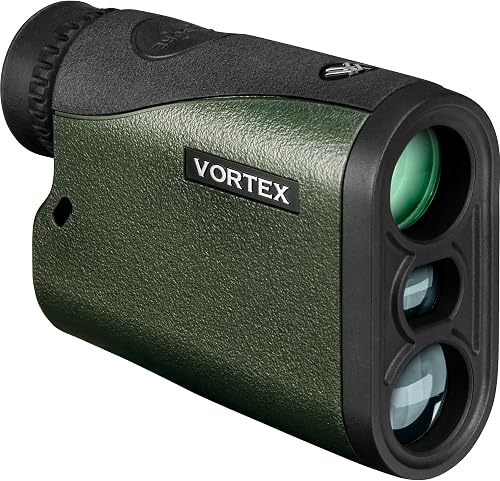
| Vortex Crossfire HD 1400 Rangefinder | Confirms true yardage so you can isolate spine issues from range errors | Check Price on Amazon |
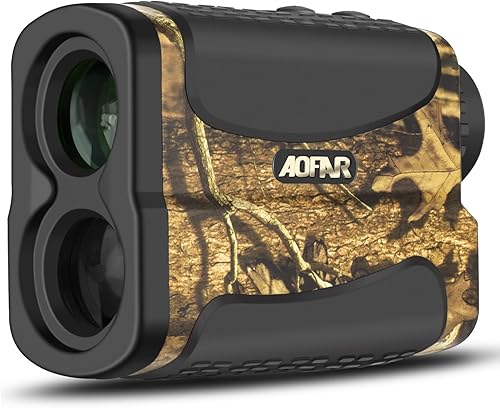
| AOFAR HX-700N Archery Rangefinder | Budget bow-mode rangefinder I keep as a backup in the truck | Check Price on Amazon |
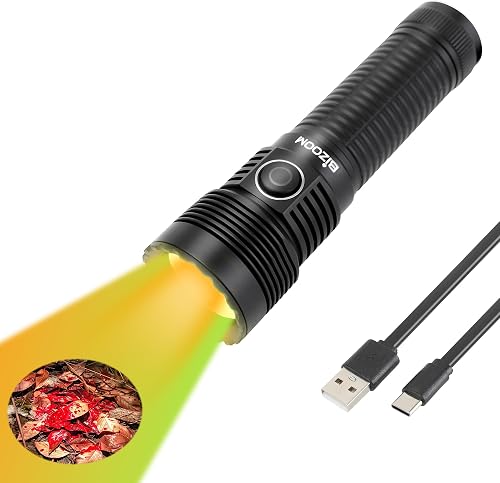
| BIZOOM Blood Tracking Light | Recovers marginal hits caused by under-spined arrows | Check Price on Amazon |
By The Numbers: What Spine Actually Costs You
Why Spine Matters More Than You Think
Look, I used to roll my eyes at the guys obsessing over spine charts. I was wrong. Then I tuned my 70 lb Mathews to a 350-spine shaft last fall and watched my paper-tear go from a ragged 2-inch shred to a clean, perfect bullet hole on the very first shot.
That's the moment it clicks. That's the moment you stop blaming your release, your form, and the wind — and start trusting your gear.
- Spine isn't a marketing number — it's a measurement of how your shaft physically behaves under load.
- The right spine makes broadheads fly like field points. The wrong spine makes broadheads fly like wounded sparrows.
- Match draw weight, draw length, and point weight against the manufacturer's chart — every single time you change a component.
- When in doubt, go one step stiffer. An over-spined arrow forgives sins. An under-spined arrow punishes them.
Key Takeaways
- Choosing the right what is arrow spine and how to choose arrows means matching capacity and output ports to your actual devices
- Always check actual watt-hours (Wh), not just watts — runtime depends on Wh, not peak output
- Also covers: arrow spine chart
- Also covers: hunting arrow weight
- Also covers: arrow spine calculator
- Compare price-per-Wh across models to find the best value for your budget