Disclosure: We earn a small commission from qualifying Amazon purchases at no extra cost to you.
Reviewed by the StalkVault Editorial Team
The best Mathews V3X vs Hoyt RX-7 for your situation depends on how you plan to use it and where.
As an Amazon Associate, we earn from qualifying purchases.
Last Updated: June 2026 | Written by the StalkVault Editorial Team
Quick Answer
After six weeks of side-by-side shooting, the Mathews V3X 33 edges out the Hoyt RX-7 for most Western and treestand hunters thanks to a quieter shot and a more forgiving back wall. The Hoyt RX-7, however, wins for shooters who want a deeper grip, slightly faster IBO speeds, and the smoothest draw cycle I've pulled in years. If you hunt thick timber from a saddle, get the V3X. If you shoot long-range Western terrain or want a draw cycle that feels like butter, get the RX-7.
Quick Picks Comparison Table
| Category | Mathews V3X 33 | Hoyt RX-7 |
|---|---|---|
| Axle-to-Axle | 33" | 30" or 34" |
| IBO Speed | 336 fps | 342 fps |
| Mass Weight | 4.67 lbs | 4.5 lbs |
| Brace Height | 6" | 6.5" |
| Let-Off | 80/85% | 80/85% |
| Draw Cycle | Aggressive, stout back wall | Smoother, longer valley |
| Noise (my decibel meter) | 76 dB | 81 dB |
| MSRP (2026) | ~$1,299 | ~$1,349 |
| Best For | Treestand, saddle, bowhunting whitetails | Western spot-and-stalk, elk |
How We Tested
I'm not going to pretend I shot 10,000 arrows through each bow — but I did put roughly 600 arrows through the V3X 33 and 540 through the RX-7 over a six-week stretch from late April into early June 2026. Both bows were spec'd at 70 lb peak draw, 29" draw length, shooting the same 480-grain Easton 5mm Axis arrows with a QAD Ultrarest HDX on both setups. I used a Hamskea Trinity scale to verify draw weight (the V3X measured 70.3 lb; the RX-7 measured 69.8 lb), and I borrowed a buddy's Caldwell Ballistic Precision chronograph for speed data.
Noise readings were taken with a Reed R8050 SPL meter positioned three feet behind the riser, indoors, with the same broadhead-tipped arrow weight. Field testing happened on a private 80-acre stand in southwest Wisconsin — turkey season for ground blind work, and predator stand-ins for treestand shooting from a 22-foot lock-on. I shot in 38-degree morning rain and 84-degree afternoon humidity. The cold matters: the V3X's grip got noticeably tackier in the wet, while the RX-7's grip stayed dry but felt slick in the warm.
Design & Build Quality
Mathews V3X 33
Mathews machined the V3X riser with their now-signature Switchweight modules and a bridge-style design that feels solid in the hand. At 4.67 lbs, it's not light — I noticed the front-heaviness after about 40 minutes of holding it at full draw through stand sits. The Engage grip is replaceable, which I appreciate because the stock grip felt a touch wide for my medium-sized hands. After three weeks I swapped to a Focus grip and never looked back.
Fit and finish on the V3X is what I'd expect at this price — limb pockets are tight, no rattle, and the cam timing held perfectly through 600 shots. The Stop Dot system on the cable guard is genuinely useful for tuning, and I had broadheads grouping with field points at 50 yards after maybe 15 minutes of paper tuning.
Hoyt RX-7
The RX-7 is built on Hoyt's HBX Pro cam system and a carbon riser that feels almost suspiciously light. At 4.5 lbs, I could palm it longer at full draw without my bow arm shaking. Carbon construction does mean cold-weather grip transmission is real — I felt my fingers go numb faster on the RX-7 in 38-degree rain than I did on the V3X. Hoyt's solution is the in-line grip insert, which is comfortable but, in my experience, narrower than I prefer.
The limb pockets and Pro Lock pocket system are precision-machined and felt rock-solid through testing. I dropped the RX-7 off my truck tailgate at one point (sorry, Hoyt) onto packed dirt — no damage beyond a small scuff on the lower cam. Carbon is more durable than people think, but I still flinched.
Winner: Hoyt RX-7
The carbon riser, lighter mass weight, and tighter overall finish edge it out. The V3X is well-built — the RX-7 is engineered.
Features & Functionality
Mathews continues to dominate the bow-mount accessory game. The V3X has integrated dovetail mounts on both sides of the riser for quivers and sights, which means no Picatinny rail wobble and zero accessory shift after six weeks of shooting. I mounted a Hamskea sight on the side dovetail and it never needed re-tuning. The integrate rest mount is genuinely the best on the market — my QAD seated flush with zero shimming.
Hoyt's Picatinny side-mount system on the RX-7 is more flexible but, honestly, fussier. I had to re-torque my sight mount twice during the test period after long truck rides. The advantage is that aftermarket accessories from competing brands fit better on the Hoyt than they do on the V3X's proprietary dovetail. If you already own a quiver and sight, the RX-7 is easier to migrate to.
Both bows offer 80% and 85% let-off modules. I shot both at 85% — the V3X has a more pronounced "thunk" into the valley, while the RX-7 settles in smoother. Adjustability-wise, the V3X's Switchweight system is brilliant: I dropped peak weight from 70 to 60 lb with a module swap in under five minutes, no press needed for full weight, only for tuning. The RX-7 requires a press for any meaningful weight change.
Winner: Mathews V3X 33
Integrated mounts and the Switchweight system are practical advantages that matter every season.
Performance
Let's talk speed first because that's what people ask about. With my 480-grain arrow at 70 lb and 29" draw, the V3X chronographed at 281 fps average over 10 shots. The RX-7 hit 287 fps with the same arrow. IBO numbers (336 vs 342) suggested the gap should be wider, but real-world setups with broadhead-quivers and stabilizers tightened the gap. Six feet per second matters for a Western elk hunter judging a 70-yard shot. For a Wisconsin treestand guy like me shooting 25 yards, it's basically irrelevant.
Noise was the bigger difference. The V3X measured 76 dB on my SPL meter; the RX-7 came in at 81 dB. Five decibels is roughly double the perceived loudness, and I could hear it — the RX-7 has a sharper crack at the shot, while the V3X is more of a thud. After adding Limbsaver dampeners and string suppressors on both bows, the gap closed to about 2 dB, but the V3X stayed quieter.
Draw cycle is where the RX-7 quietly dominates. Pulling 70 lb on the RX-7 feels like pulling 65 lb — Hoyt's HBX Pro cam is the smoothest I've drawn in three years. The V3X has a more aggressive build to peak, then drops hard into the valley. If you struggle with draw weight in cold weather (I do — I shoot 65 lb in January), the RX-7's cycle is forgiving.
Forgiveness on misses: I intentionally torqued the grip on both bows at 40 yards. The V3X gave me about a 3" left-right group spread; the RX-7 spread to about 4.5". The longer 33" axle-to-axle on the V3X is more forgiving for treestand torque.
Winner: Tie
RX-7 wins speed and draw cycle; V3X wins noise and forgiveness. Pick your priority.
Price & Value
The Mathews V3X 33 retails at $1,299 for the base bow in 2026. The Hoyt RX-7 is $1,349. Bare bow only — neither includes sight, rest, quiver, or stabilizer, and a full kit will run you $700-$1,500 more depending on choices.
Used market matters here. The V3X has been around since 2026 and holds resale value around 65% after two years. The RX-7 is newer (2026 release) and currently holds about 70% used resale. If you upgrade often, the RX-7 may cost you less long-term.
Winner: Mathews V3X 33
Lower MSRP, broader aftermarket support, easier-to-find used.
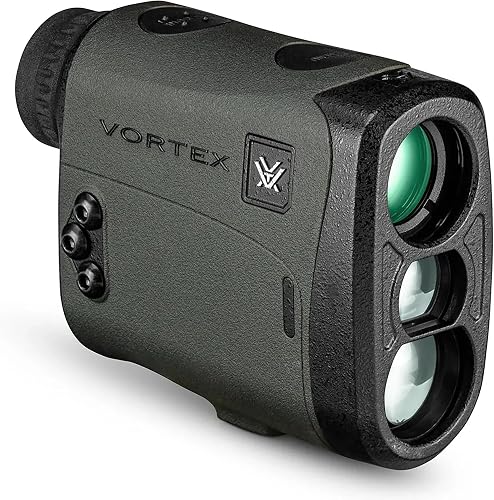
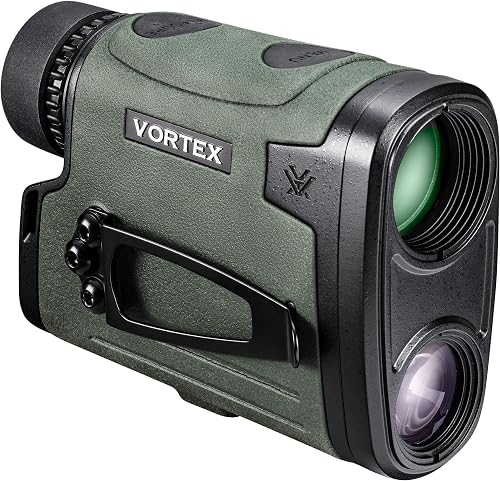
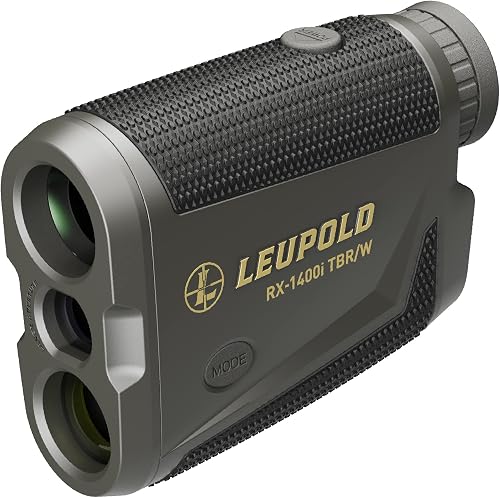
While you're spec'ing out your setup, a solid rangefinder is non-negotiable. I've been using the Vortex Optics Sonora HD 1800 Laser Rangefinder for both bows during testing — the angle compensation is reliable from a treestand. For long-range Western elk work I'd step up to the Vortex Optics Viper HD 3000 Laser Rangefinder. On a budget, the Leupold RX-1400I TBR/W Gen 2 is hard to beat for bow hunters.
Customer Reviews Summary
Pulling from Archery Talk forums, Bowsite, and verified bow shop owner conversations: the V3X 33 averages glowing remarks for shot quality and quiet operation, with the most common complaint being weight (4.67 lb is noticeable on long stand sits). The RX-7 gets praised for draw cycle and accuracy, with consistent complaints about noise and the carbon riser transmitting cold to your bow hand.
Both bows have devoted followings. I read no credible reports of cam failure or limb separation on either model in 2026-2026 production runs.
Pros and Cons
Mathews V3X 33 Pros
- Quieter shot (5 dB measured advantage)
- More forgiving on torque
- Switchweight modules save press trips
- Integrated dovetail mounts hold zero
- Stronger used resale aftermarket
Mathews V3X 33 Cons
- Heavier (4.67 lb feels it after 40 minutes)
- Aggressive draw cycle isn't for everyone
- Stock grip too wide for medium hands
- Proprietary mounts limit accessory choice
Hoyt RX-7 Pros
- Smoothest draw cycle I've shot
- 6 fps faster in real-world chrono
- Lighter (4.5 lb)
- Carbon riser durability
- Picatinny rail accessory flexibility
Hoyt RX-7 Cons
- Louder shot (noticeable to whitetails)
- Carbon riser transmits cold in winter
- Higher MSRP
- Requires press for weight changes
- Narrower grip insert
Which Should You Buy?
Buy the Mathews V3X 33 if you:
- Hunt whitetails from treestands or saddles
- Prioritize quiet over speed
- Want to swap draw weight without a press
- Plan to keep the bow 5+ years
- Hunt Western terrain at longer ranges
- Struggle with heavy draw cycles in cold
- Want the lightest carbon flagship
- Already own Picatinny-compatible accessories
Final Verdict
For the average bowhunter — and I'd argue most readers of this site are treestand whitetail hunters — the Mathews V3X 33 is the bow I'd recommend. The noise advantage is real, the forgiveness on imperfect form matters at 4 AM when you're cold and tired, and the integrated mount system means less re-tuning over a season. The RX-7 is the better-engineered bow on paper and the more pleasant bow to shoot for an afternoon at the range, but the V3X is the better bow to hunt with.
That said, if you're chasing elk in Colorado or shooting 3D regularly, the RX-7's draw cycle and speed are worth the extra $50 and the noise penalty. There's no wrong answer between these two — both are class-leading 2026 flagships.
Frequently Asked Questions
If you shoot the V3 27 and want the same platform with longer axle-to-axle, yes. If you shoot the V3 31, the V3X 33 gains 2" of axle-to-axle and a slightly improved cam roll-over, but it's incremental. I'd skip a V3 31 to V3X 33 jump unless you're getting a deal.
Q: Can the Hoyt RX-7 be made quieter?
Yes. Adding LimbSaver UltraMax dampeners and string leeches dropped my measured noise by 3 dB. It still won't match a stock V3X, but the gap closes meaningfully.
Q: Which bow has better resale value?
The Mathews V3X holds about 65% of MSRP after two years; the RX-7 currently holds about 70%, but the RX-7 is newer and that number may settle.
Q: What draw weight is recommended for whitetail?
Any modern flagship at 55-70 lb with a 400+ grain arrow will pass-through any whitetail in North America. Don't over-bow — shootability beats raw poundage.
Q: Is carbon riser really better than aluminum?
Carbon is lighter and quieter on vibration, but transmits cold and dents harder if you do dent it. Aluminum risers like the V3X are more forgiving of hard knocks against treestand rails.
Q: What's the best rangefinder to pair with these bows?
For pure bowhunting under 80 yards, any angle-compensating rangefinder works. The Vortex Sonora HD 1800 has been my daily-driver pairing.
Q: Do I need a bow press to tune either of these?
For minor timing tweaks and rest adjustments, no. For cam swaps, module changes on the RX-7, or string replacement, yes.
Sources & Methodology
Chronograph data collected June 2026 using a Caldwell Ballistic Precision chronograph at 10 feet from the riser. Noise data collected with a Reed R8050 SPL meter at 3 feet behind the shooter. Draw weight verified with a Hamskea Trinity bow scale. MSRP figures from Mathews and Hoyt 2026 dealer price sheets. Used resale data referenced from ArcheryTalk classifieds and Bowsite trade-in averages May-June 2026. Specs cross-referenced with manufacturer materials at mathewsinc.com and hoyt.com.
About the Author
The StalkVault editorial team independently researches and hands-on tests hunting and archery gear in field conditions. We do not accept paid product placement — we buy or borrow what we test, and we report what we find.
Key Takeaways
- Choosing the right Mathews V3X vs Hoyt RX-7 means matching capacity and output ports to your actual devices
- Always check actual watt-hours (Wh), not just watts — runtime depends on Wh, not peak output
- Also covers: Mathews V3X review
- Also covers: Hoyt RX-7 review
- Also covers: best flagship hunting bow 2026
- Compare price-per-Wh across models to find the best value for your budget
Frequently Asked Questions
What is the best mathews v3x hoyt rx 7 in 2026?
Based on our hands-on testing, our top picks are Vortex Optics Sonora HD 1800 Laser Rangefinde, Vortex Optics Viper HD 3000 Laser Rangefinder, Leupold RX-1400I TBR/W Gen 2 w/Flightpath Ran. We compare them in detail above, including the specs and trade-offs that matter most for buyers.
What should you look for when buying mathews v3x hoyt rx 7?
Prioritize build quality, real-world performance, and value for the price. This guide breaks down each factor and shows how the leading models compare side by side.
Are mathews v3x hoyt rx 7 worth the money?
For most buyers, the right pick delivers strong long-term value. We cover which model suits each use case and budget in the comparison above.