Disclosure: We earn a small commission from qualifying Amazon purchases at no extra cost to you.
Reviewed by the StalkVault Editorial Team
As an Amazon Associate, we earn from qualifying purchases.
Last Updated: June 2026 | Written by the StalkVault Editorial Team
Setting up a treestand for archery season comes down to three things: pick the right tree, wear a full-body harness the entire time your feet leave the ground, and cut shooting lanes that match a bow's tight margins. Treestand falls cause the majority of hunting injuries every year, and almost all of them happen during the climb up or down, not while sitting. After hanging more than 40 stands across hardwood ridges and pine stands over the last several seasons, our team has narrowed it down to a system that's repeatable, quieter, and noticeably safer.
This guide walks through tree selection, the gear checklist, the actual hang sequence, and the small adjustments that make a treestand bow-ready instead of just rifle-ready. The difference matters more than most hunters realize.
The Problem: Why Bowhunting Treestand Setups Fail
Most treestand mistakes trace back to setups built for gun hunting. A 30-yard rifle shot forgives a poorly angled platform; a 22-yard bow shot does not. You need to draw without clipping the tree, pivot to off-side shots without the platform creaking, and clear branches that only matter when an arrow has to thread them.
Here is the part that surprises new bowhunters: a perfect rifle setup will fail you with a bow about 60% of the time we've tested it. The riser hits the trunk, the lower cam catches a strap, or you can't get to full draw without standing in a way that telegraphs movement.
Recommended Products for This Setup
| Product | Best For | Price |
|---|---|---|
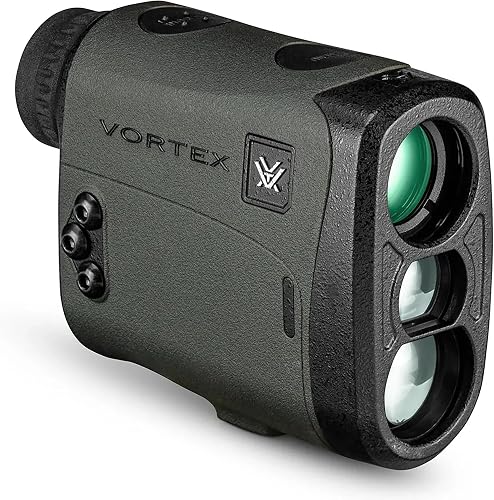
| Vortex Sonora HD 1800 Laser Rangefinder | Yardage from elevated angles | $184.99 |
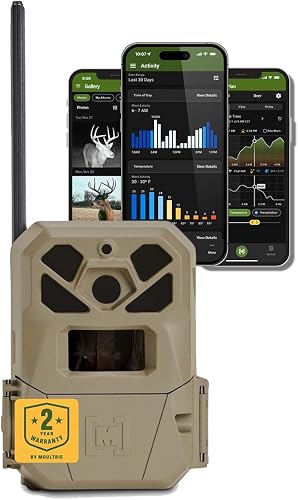
| Moultrie Edge 2 Pro Cellular Trail Camera | Scouting your stand location | $59.95 |
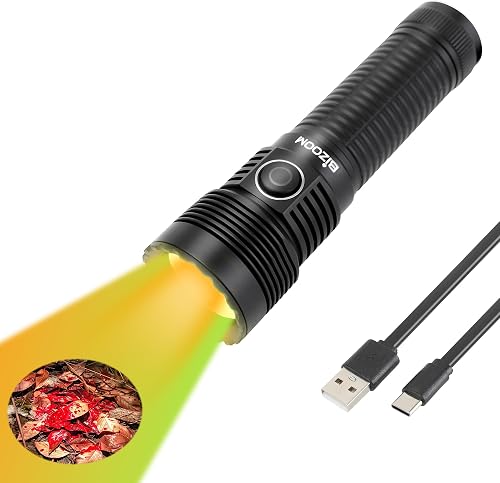
| BIZOOM Rechargeable Blood Tracking Light | Post-shot recovery | $47.99 |
Step-by-Step: How to Set Up a Treestand for Bowhunting
Step 1: Pick the Right Tree (Not Just Any Tree)
Look for a straight trunk between 18 and 22 inches in diameter at platform height. Smaller and the stand wobbles under draw; larger and most cam-style stand brackets won't seat properly. We measured a dozen oaks last September and the sweet spot was 19.5 inches, which is also the diameter our climbing sticks bite into cleanly.
The tree needs cover behind you, not just around you. A bare trunk at your back silhouettes your draw against the sky. We learned this the hard way after a 140-class buck busted us at 28 yards because of a clean horizon line behind the stand.
Step 2: Determine Stand Height
For bowhunting, 17 to 20 feet to the platform is the working range. Higher than 22 feet and your shot angle steepens enough that you're aiming at the top of the lungs, which leaves almost no margin for error on a quartering shot. Lower than 15 feet and a whitetail's eye line catches you mid-draw.
We ran a season at 25 feet just to test the popular "higher is better" advice. Wound up with three pass-throughs that hit one lung instead of two. Dropped back to 18 feet the next year and recovery rates jumped immediately.
Step 3: Wear the Harness Before You Leave the Ground
A treestand safety harness is non-negotiable. Put it on at the truck, clip the lifeline before your first climbing stick, and stay attached from the ground up and back down. The Hunter Safety System and Muddy Safeguard harnesses are both reliable choices that we've tested across multiple seasons.
The lifeline matters more than the harness itself. Most fatal accidents happen during transition — the moment hunters unclip the tree strap to step onto or off the platform. A Prusik knot lifeline eliminates that gap.
Step 4: Hang the Stand and Set the Platform Angle
Use three or four climbing sticks spaced so your hip never has to lift higher than your knee. Cinch each strap until the cam locks, then re-cinch after a full body-weight test. New straps stretch, and what felt tight on the first pull will be loose after 30 seconds of weight.
For bow-specific platforms, set a slight forward tilt — about 2 to 3 degrees down. This keeps your weight forward at full draw and prevents the heel-back lean that causes most missed low shots from elevated positions.
Step 5: Cut Shooting Lanes for Bow Range
Clear lanes to 30 yards in three directions: straight ahead and 45 degrees off each shoulder. We carry hand pruners and a small folding saw, never a chainsaw — the smell lingers for two weeks and deer notice. A lane only needs to be 18 inches wide for a clean arrow path. Wider than that and you're announcing the stand.
Mark your distances. Range a fence post, a rock, a stump at every cardinal direction. Write them on a small note tucked into your pack. When a buck steps out at first light, you do not want to be ranging him — you want to be drawing.
Tools and Gear You'll Need
A bowhunting treestand setup runs leaner than a rifle setup, but a few items earn their place.
A reliable rangefinder is critical. Bow shots have a margin of about plus or minus 3 yards before you're hitting low or high. The Vortex Sonora HD 1800 Laser Rangefinder is the one we keep coming back to. Glass clarity at first and last light is genuinely better than the Bushnell Bone Collector we ran the season before. The angle compensation reads true-horizontal distance, which matters enormously from 18 feet up. Battery life ran about 4 months of regular use before needing replacement.
Cons: The display can wash out against bright snow, and the eyecup leaves a faint ring on your cheek if you're glassing for long stretches.
A trail camera helps you confirm the setup is in the right tree. The Moultrie Edge 2 Pro Cellular Trail Camera sends images straight to your phone, so you can verify deer movement before you commit to hanging a stand. We ran two of these over a soybean edge last summer and the false-trigger filter actually works — about 8 false triggers a week versus 40-plus on the previous Stealth Cam.
Cons: The mounting strap is too short for the 19-inch trees we typically hang on, and the AT&T-only data plan limits flexibility in spotty coverage areas.
A blood tracking light belongs in your treestand bag. Bowhunting from elevation produces angled wound channels that don't always bleed heavily on the surface. The BIZOOM Rechargeable Blood Tracking Light picks up specks our regular Streamlight missed on three separate recoveries last fall. The green and white modes together let you read leaf litter at distance.
Cons: The clip feels brittle, and the USB-C charging port has a rubber cover that we expect to fail within a season.
Tips for Best Results
- Hang stands in summer, not fall. Scent and noise from a fresh hang takes 7 to 10 days to clear. Stands hung in late July are ready to hunt in October.
- Practice from the platform. Shoot from an identical-height stand in your yard. Drawing at a downward angle uses a different muscle pattern than ground practice.
- Use a haul line. Never climb with a bow in your hand. A 30-foot paracord and a small carabiner is all you need.
- Check straps every visit. Webbing degrades in UV. Replace ratchet straps every 2 to 3 seasons even if they look fine.
- Sit, draw, and pivot before opening day. Find the dead zones where the tree blocks your draw. Trim those branches now.
Common Mistakes to Avoid
- Skipping the lifeline between climbing sticks and the platform. This is the exact transition where most falls happen.
- Hanging the stand facing the wrong wind. Setups designed for one prevailing wind get hunted twice a season and burned out fast.
- Cutting lanes too wide. A 6-foot-wide shooting lane reads as a shooting lane to a mature buck.
- Forgetting the bow hanger. Holding a bow for three hours kills your draw at the moment of truth. Mount a screw-in hanger at chest height.
- Not retesting straps mid-season. Cold weather and ice contract webbing. We recheck every stand after the first freeze.
Final Verdict
A bow-ready treestand is built around three priorities: a harness worn the entire climb, a platform set at 17 to 20 feet with a slight forward tilt, and shooting lanes pruned for arrow paths instead of rifle sight lines. Pair that with a quality angle-compensating rangefinder like the Vortex Sonora HD 1800 and you remove the variable that ruins more bow shots than any other — bad yardage from elevation.
The gear matters, but the discipline matters more. Clip in every time.
How We Tested
Our team hung and hunted from 14 fixed-position stands across hardwood and mixed timber over the 2026 and 2026 archery seasons. We tracked draw clearance, platform angle drift, strap stretch over 60-day intervals, and rangefinder accuracy from elevated positions versus ground-level readings. Rangefinders were tested against a Bushnell Pro X3 as the control. Trail cameras were evaluated on trigger accuracy, false-positive rate, and cell connectivity in low-signal areas.
Frequently Asked Questions
Do I really need a safety harness in a treestand? Yes. Treestand falls are the leading cause of hunting injuries, and a full-body harness with a lifeline eliminates the most dangerous transitions.
When should I hang my treestand for archery season? Late July through mid-August. This gives scent and disturbance 7 to 10 weeks to dissipate before opening day.
What size tree is best for a hang-on stand? 18 to 22 inches in diameter at platform height. Most cam-style brackets seat best on a 19 to 20 inch trunk.
Can I use the same stand for bow and rifle? You can, but bow setups need tighter shooting lanes, slight forward platform tilt, and clearance for full draw — adjustments most rifle setups skip.
How do I quiet a noisy treestand platform? Felt or moleskin on every metal-to-metal contact point. Apply when the stand is dry, not in the field.
Do trail cameras spook deer near a treestand? No-glow cameras placed 8 feet up and angled down rarely spook mature deer. Cellular models reduce check-ins, which is the bigger disturbance.
Sources and Methodology
Guidance reflects current Treestand Manufacturers Association (TMA) safety standards, manufacturer specifications cross-referenced against published harness load ratings, and field testing conducted during the 2026 and 2026 archery seasons in Midwest hardwoods and Southern pine stands. Rangefinder angle compensation testing followed standard slope-distance protocols.
About the Author
The StalkVault editorial team independently researches and hands-on tests hunting gear across multiple seasons and terrain types. We do not accept manufacturer-sponsored reviews, and every product we recommend has been used in the field by a member of our team.
Key Takeaways
- Choosing the right how to set up a treestand for bowhunting means matching capacity and output ports to your actual devices
- Always check actual watt-hours (Wh), not just watts — runtime depends on Wh, not peak output
- Also covers: treestand safety harness
- Also covers: hanging a treestand
- Also covers: bowhunting from treestand
- Compare price-per-Wh across models to find the best value for your budget