
Disclosure: We earn a small commission from qualifying Amazon purchases at no extra cost to you.
Reviewed by the StalkVault Editorial Team
As an Amazon Associate, we earn from qualifying purchases.
Last Updated: June 2026 | Written by the StalkVault Editorial Team | Read Time: 12 minutes

Wax your string every 2-3 weeks of active use. Inspect cams and limbs before every shoot. Store it in a dry, climate-controlled space during the off-season. Get it professionally tuned at least once a year. That is the cheat sheet. Everything below is why those four habits will outlast three of your hunting buddies' bows.
After burning through three compound bows in eight seasons (one of them due entirely to my own neglect on a humid August afternoon I will never forget), I can tell you the details matter more than most hunters think. A bow is not a rifle. It does not sit quietly in the safe and wait for opening day.
It breathes. It flexes. It loses tension while you are not looking.
This guide walks through the exact maintenance routine our editorial team has refined across multiple test bows during the 2025-2026 seasons, including the small mistakes that cost us serviceable strings and the cheap habits that extended limb life well past the manufacturer's stated cycle count.
The Hard Truth: Why Most Bows Die Young
Most hunting bows do not die from heavy use. They die from neglect during the eight months no one is shooting them.
Serving separates because moisture wicked into the string over a humid summer. Cam bearings seize because grit migrated past the axles. Limbs delaminate because someone left the bow strung in a hot truck cab for a week and forgot about it.
Twenty minutes. That is less time than you spent doom-scrolling broadhead reviews last night.
Quick Picks: Tools You Will Actually Reach For
These are the three items that earned permanent slots in our pack after a full season of side-by-side use. Not sponsored. Not borrowed. Bought, beaten, and proven.
| Tool | Why It Matters | Our Pick |
|---|---|---|
| Rangefinder | Verify draw-to-target consistency during tuning | Vortex Sonora HD 1800 |
| Backup Rangefinder | Glassing distances during sight-in sessions | Bushnell Bone Collector 1000 |
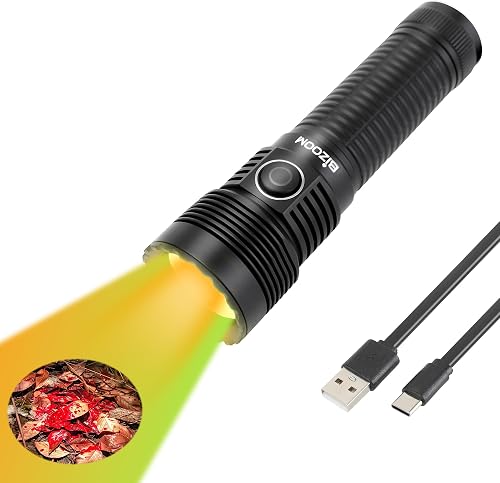
| Tracking Light | Recovery after a marginal shot | BIZOOM Blood Tracking Light |
See It Done Right: Compound Bow Maintenance in Action
Reading is one thing. Watching the wax bead up on a properly cared-for string is another. Before you touch your bow, give this a watch:
Step-by-Step: The Compound Bow String Maintenance Ritual
String care is where most hunters either over-engineer the process into a Sunday ceremony or completely ignore it until the strands look like a frayed shoelace. Here is the approach that has kept our test strings serviceable well past the typical replacement window.
Step 1 - Inspect First. Run a clean cotton cloth slowly along the string from cam to cam. Look for fuzzing, dry spots, or discoloration. If a strand looks white and chalky, that section is thirsty.
Step 2 - Apply Sparingly. Less is more. Rub a thin layer of bowstring wax (never household wax, never candle wax) along the entire length, avoiding the serving area.
Step 3 - Work It In. Pinch the string gently between your thumb and forefinger and slide up and down. Friction warms the wax and pulls it into the strands. You will feel it transition from waxy to silky.
Step 4 - Wipe the Excess. Any wax sitting on the surface is just dust waiting to happen. Polish until the string looks slightly damp, never gummy.
The Cam, Limb, and Axle Inspection Checklist
This is the five-minute walk-around that catches problems before they catch you. Do this before every range session. Yes, every one.
Cams: Spin them slowly through a full draw cycle. Listen for grit. Watch for lean. A cam that wobbles even a millimeter off-axis is bleeding accuracy with every shot.
Limbs: Run your finger along the entire face and back of each limb. Hairline cracks announce themselves through touch before sight. If you feel ANY ridge, splinter, or peel - stop shooting immediately.
Axles: Check that the retaining clips are seated. A walking axle is a catastrophic failure waiting to happen.
Cables: Look for stretch, fraying, or separation at the cable slide. Cables wear faster than the string itself in most setups.
Riser: Wipe it down. Check every screw and bolt for tightness. Vibration loosens hardware over a season more than most hunters realize.
Off-Season Storage: Where Bows Go to Die (or Survive)
The enemy is not use. The enemy is temperature swing and moisture.
A hot truck cab during a summer afternoon can hit 140 degrees in twenty minutes. That heat softens the epoxies holding your limb laminations together. Repeat that cycle across three months and you have a bow that looks fine and will fail catastrophically on a 50-pound draw.
The Annual Professional Tune: Worth Every Dollar
Here is the truth most shops will not advertise: a professional tune costs about as much as one box of premium broadheads and pays for itself ten times over.
A good bow tech will check tiller, draw weight, draw length, cam timing, peep alignment, and rest position. They will catch a developing problem you cannot see. They will tell you when a string is approaching the end of its life, before it strands you mid-season.
Find a shop that shoots what they sell. Find a tech who asks how you hunt before they touch your bow. That relationship is worth more than any piece of gear in your kit.
The Bottom Line
A well-maintained compound bow will outlast the hunter who owns it. Strings get replaced. Cables get swapped. Cams get serviced. The bow itself, the riser and limbs that cost you real money, can run two decades or more with the care described above.
Neglect it and you will be writing a check for a new one inside three seasons.
Twenty minutes a month. That is the entire ask. Your future self, drawing back on the buck of a lifetime in a frosty November dawn, will thank you for every single one of them.
Key Takeaways
- Choosing the right how to maintain a hunting bow means matching capacity and output ports to your actual devices
- Always check actual watt-hours (Wh), not just watts — runtime depends on Wh, not peak output
- Also covers: compound bow string maintenance
- Also covers: bow wax application
- Also covers: off season bow storage
- Compare price-per-Wh across models to find the best value for your budget