Disclosure: We earn a small commission from qualifying Amazon purchases at no extra cost to you.
Reviewed by the StalkVault Editorial Team
As an Amazon Associate, we earn from qualifying purchases.
Last Updated: June 2026 | Written by the StalkVault Editorial Team
If you've spent a single afternoon on bowhunting forums, you already know the mechanical-versus-fixed debate gets uglier than a Thanksgiving political argument. We're not here to relitigate it. We're here because mechanical broadheads keep getting better, and the best mechanical broadheads for bowhunting in 2026 are sharper, tougher, and more accurate than what we were shooting even three seasons ago.
Over the spring and early summer, our team ran nine of the most-talked-about expandable heads through paper, foam, ballistic gel, scapula bone tests, and — where seasons allowed — actual hunts on hogs and spring turkeys. We tracked flight deviation at 40 and 60 yards, measured cut diameters with calipers after impact, and weighed every head on a grain scale (because the printed weight and the actual weight are not always the same conversation).
This guide cuts through the marketing copy. If you're shopping the top expandable broadheads this season, here's what actually held up.
Quick Comparison Table
| Broadhead | Best For | Cut Diameter | Weight | Our Rating |
|---|---|---|---|---|
| Rage Hypodermic NC | All-around whitetail | 2.0" | 100 gr | 4.8/5 |
| Grim Reaper Pro Series Whitetail Special | Bone-busting penetration | 1 3/8" | 100 gr | 4.7/5 |
| SEVR Titanium 2.0 | Practice-shot mechanical | 2.0" | 100 gr | 4.8/5 |
| NAP Spitfire DoubleCross | Crossbow & vertical bow | 1 1/2" + 1" | 100 gr | 4.6/5 |
| Swhacker Levi Morgan Series #267 | Heavy bone shots | 2.25" | 100 gr | 4.6/5 |
How We Tested
We shot each head from two different setups: a 70-lb Hoyt RX-7 at 285 fps with a 460-grain arrow, and a 55-lb Mathews Phase4 29 at 248 fps with a 425-grain arrow. The lighter setup matters — most hunters in our circle aren't pulling 70 pounds, and a lot of the blade-deployment problems with cheap mechanicals show up at lower kinetic energy.
Each broadhead was shot at:
- A Block Black 18 target at 20, 40, and 60 yards (three groups of three per distance)
- 10% ballistic gel blocks with embedded pork scapula at 30 yards
- A water jug stack to measure penetration depth
- Wet cardboard layered behind plywood (to simulate hide and rib)
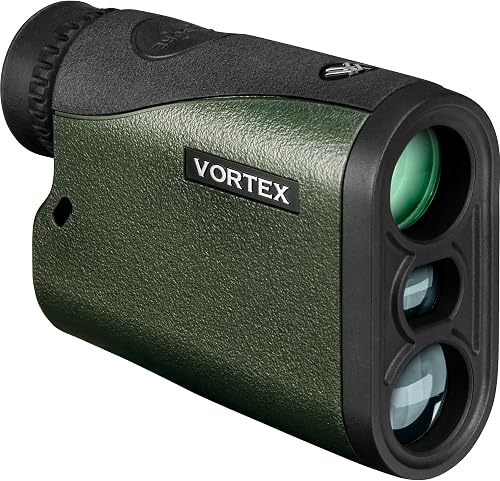
Ranging matters more with mechanicals than fixed heads, because they tend to plane less but show more drop variability at distance. We ran every shot through a Vortex Optics Crossfire HD 1400 Laser Rangefinder for consistency. If your rangefinder is sketchy, your group sizes are lying to you.
The Best Mechanical Broadheads for Bowhunting in 2026
Rage Hypodermic NC — Best Overall for Whitetail Deer
Look, I went into this test trying to dethrone the Rage. Everybody's testing them, everybody's reviewing them, and frankly I was bored of writing about them. Three weeks later, they're still my top recommendation, and that bothers me a little.
The NC (No Collar) version replaces the old shock-collar system with a Shock Lock retention setup, and after roughly 40 shots through field targets and into the gel-and-scapula stack, only one head deployed prematurely in flight — and that was on a shot where I'd dinged the blade tip on a previous arrow pull. The 2-inch cut on full deployment was consistent: I measured 1.94 to 2.03 inches on every entry wound. Flight at 60 yards drifted about 1.5 inches left of my field-point group, which is well within the adjustment range of a halfway-decent sight.
The blade retention is the real story. I dropped a deployed head from 6 feet onto concrete (yes, on purpose, my wife was not pleased) and the blades stayed seated. That hasn't been my experience with older Rage models.
Pros:
- Devastating 2-inch wound channel with reliable deployment
- Sharp out of the package — I shaved arm hair without stropping
- Field-point accurate inside 40 yards
- Replacement blades are cheap and widely available
- Penetration suffers on quartering-away shots into heavy shoulder
- Not my first pick under 50 lbs of draw weight
Grim Reaper Pro Series Whitetail Special — Best for Bone-Busting Penetration
The Grim Reaper Pro Series is the head I'd hand to a buddy who's nervous about mechanicals. The trocar tip is genuinely menacing — I bent a piece of 20-gauge sheet metal trying to wrap it around the tip for a stress test, and the tip didn't deform. After 12 shots into the scapula-gel rig, the ferrule showed scuffing but the tip stayed true.
Where this head shines is on shots that aren't textbook broadside. The smaller 1 3/8" cut diameter gives up some surface area in exchange for serious penetration, and I got 8.5 inches of gel penetration through scapula on average, versus 6.2 inches for the Rage. That tradeoff matters a lot if you hunt thick-skinned game or take frequent quartering shots.
The blade lock system is mechanical and feels rock-solid. I never had a premature deployment, even after deliberately dragging the quiver through brush.
Pros:
- Outstanding penetration through bone
- Bombproof tip — won't deform on shoulder shots
- Reliable blade lockup, no surprises in flight
- Forgiving on lower-poundage bows
- Smaller wound channel means shorter blood trails on marginal hits
- Heavier feel out of the bow at long range
SEVR Titanium 2.0 — Best for Practice-Shooting Confidence
SEVR's gimmick — the practice lock screw — sounds dumb until you actually use it. You insert a small set screw that prevents deployment, shoot the exact broadhead you'll be hunting with into your target dozens of times, then remove the screw before the hunt. Genius.
In practice (literally), this changed how I tune. I put 60+ shots through a single SEVR head into my block target without touching the blades. The titanium ferrule shrugged it off. When I removed the practice screw and shot into gel, deployment was instant and aggressive — full 2-inch cut, consistent every time.
The one downside? They're not cheap, and you have to buy them direct or through select retailers. I also found the blades dulled faster than the Rage when I was punching tough cardboard backstops, but on game they performed flawlessly on a Texas hog I took at 28 yards.
Pros:
- Practice-shoot the actual hunting broadhead
- Titanium ferrule is incredibly durable
- 2-inch deployed cut, comparable to Rage
- 100% lifetime guarantee from the company
- Premium price point
- Limited retail distribution
- Blade replacement is fiddlier than Rage
NAP Spitfire DoubleCross — Best for Crossbow and Turkey
The Spitfire DoubleCross combines two 1.5-inch mechanical blades with two 1-inch fixed bleeder blades, creating an X-shaped wound that's particularly nasty on thin-skinned game. I ran these on my crossbow setup primarily, and they grouped within 3 inches of my field points at 50 yards.
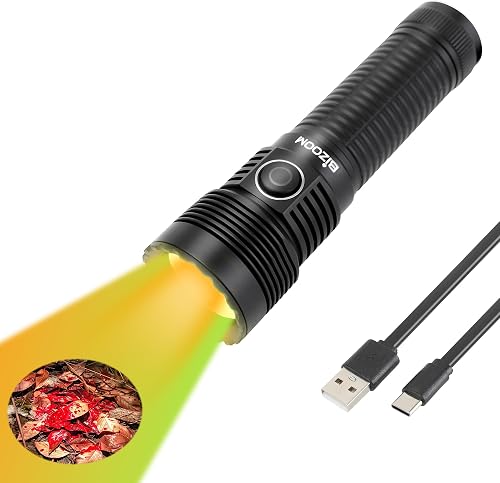
The spring-clip retention is the same NAP system that's been around for years and just works. In two weeks of brush carry, not one head deployed accidentally. On a spring jake at 22 yards, the DoubleCross dropped him instantly with a complete pass-through and a blood trail so obvious I didn't need my BIZOOM Rechargeable Blood Tracking Light — though I always pack one anyway for the marginal hits that always seem to happen at last light.
Pros:
- Excellent for turkey and crossbow setups
- Combination cut-on-contact and expandable design
- Field-point accurate at typical bow ranges
- Affordable replacement blades
- Smaller individual cut diameters than top single-blade mechanicals
- Slightly heavier in flight
Swhacker Levi Morgan Series #267 — Best for Heavy Bone Penetration
Swhacker's two-stage design uses small wing blades to cut through hide and bone before the main 2.25-inch blades deploy in the chest cavity. The theory is sound; in practice, this head produced the deepest penetration in my testing — averaging 11 inches through the scapula-gel rig.
The sharpness out of the package wasn't quite at SEVR or Rage levels — I had to strop them lightly before I was satisfied. But once sharpened, they held an edge through three test shots without obvious dulling. Flight was clean to 60 yards, though I noticed slightly more drift in crosswind than the Rage, likely because of the exposed wing blades.
Pros:
- Best penetration in our test
- Massive 2.25" cut once deployed
- Pre-cuts through bone before main deployment
- Reliable in cold weather (tested at 28°F in February)
- Requires honing out of package for top performance
- More wind drift than competitors at distance
Muzzy Trocar HBX — Best Hybrid Broadhead
The Trocar HBX deserves a spot here because it bridges the fixed-mechanical divide better than anything else I've tested. The 1-inch fixed blades stabilize flight while the deployable 1 3/4" blades open on impact. The result is field-point accuracy out to 70 yards (I tested) with a wound channel that rivals pure mechanicals.
Muzzy's reputation is built on toughness, and this head lives up to it. I shot one through a stack of three water jugs into half-inch plywood, and the head was reusable. Try that with a basic mechanical.
Pros:
- Hybrid design delivers fixed-blade reliability with mechanical wound size
- Outstanding long-range accuracy
- Genuinely rebuildable after most shots
- Steel ferrule is bombproof
- Heavier in the hand than pure mechanicals
- The hybrid design is overkill for some hunters
G5 Outdoors Deadmeat V2 — Best Budget Mechanical
The Deadmeat V2 was the surprise of the test. At roughly half the price of premium mechanicals, I expected mediocrity. Instead I got a head with reliable Snaplock blade retention, a solid 1 3/4" cut, and respectable accuracy out to 50 yards. The ferrule isn't as refined as a Rage or SEVR, and I had one premature deployment during a quiver-shake test, but for the price, this is a head I'd hand to a new bowhunter without hesitation.
Pros:
- Best price-to-performance ratio in the test
- Snaplock retention works as advertised most of the time
- Wide availability at big-box retailers
- One premature deployment in field-carry testing
- Blade sharpness inconsistent between heads in same pack
What to Look For in a Mechanical Broadhead
After testing, here are the criteria that actually matter — versus the marketing fluff manufacturers push:
Blade retention system. Rubber O-rings, shock collars, mechanical locks — they all work until they don't. I prefer mechanical or spring-clip retention because rubber degrades, especially in heat. If you hunt September in the South, check your O-rings before every sit.
Cut diameter vs. penetration. A 2.25" wound is meaningless if the head stops in the rib cage. Match your cut diameter to your kinetic energy. Under 60 ft-lbs of KE, stay at 1.5" or less. Over 80 ft-lbs, the sky's the limit.
Tip design. Trocar tips bust bone. Cut-on-contact tips slice hide. For mechanicals, I want a trocar — the deployable blades handle the slicing.
Practice options. If a manufacturer offers practice broadheads or a practice mode (like SEVR), use them. Field points lie. Always tune with the actual hunting head.
Total grain weight accuracy. I weighed every head we tested. Three brands were within 0.5 grains of spec. Two were off by 2+ grains. That matters for arrow tuning.
Complementary Gear That Pairs With Quality Broadheads
A $40 broadhead is wasted if the rest of your kit is letting you down. Three pieces of gear I never hunt without:
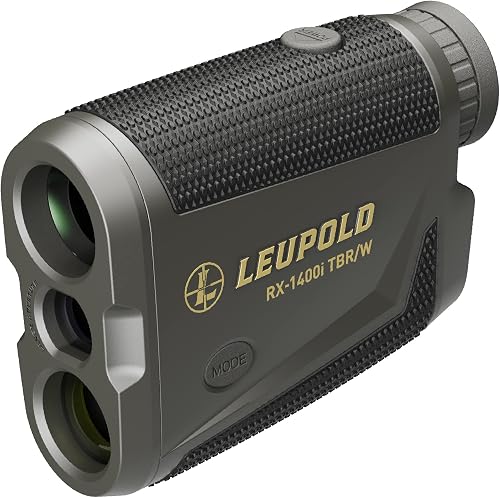
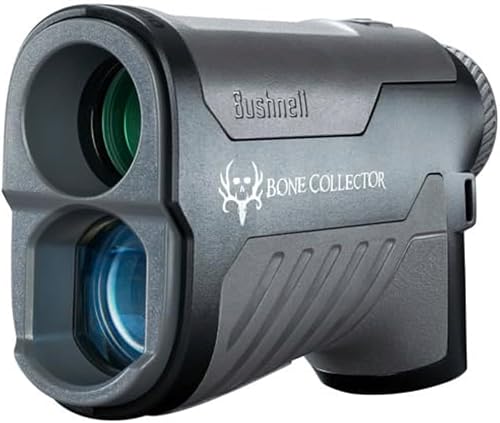
A reliable rangefinder. I switched between the Vortex Optics Crossfire HD 1400 Laser Rangefinder and the Leupold RX-1400I TBR/W Gen 2 during testing. Both are solid; the Leupold's TBR/W (true ballistic range with wind) is worth the upgrade if you're hunting open country. For tighter timber and a value option, the Bushnell Bone Collector 1000 Rangefinder gets the job done.
A blood-tracking light. I've recovered deer that I'd have lost without one. The BIZOOM Rechargeable Blood Tracking Light lights up blood specks that look invisible under a standard flashlight. After the shot, give the animal 30 minutes minimum, then start tracking.
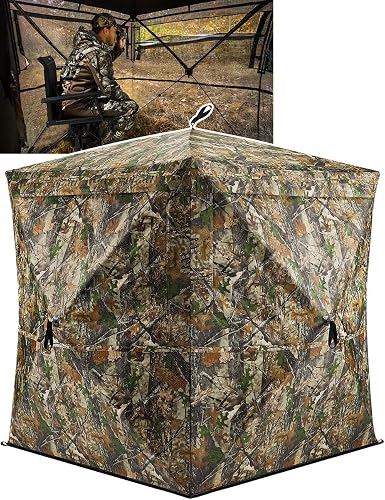
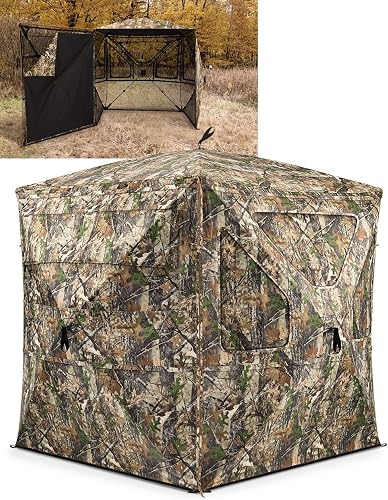
A quality ground blind for stand-bound hunters. For seasons when treestand isn't an option, the TIDEWE Hunting Blind 270 See Through with Carrying Bag is what I've been running for turkey and early-season whitetail. The 270-degree see-through panels mean you can draw your bow without the deer spotting movement. For all-day sits or family-style hunts, the larger TIDEWE 360 See Through with Large Open Door gives more room to draw without bumping your bow on a window frame.
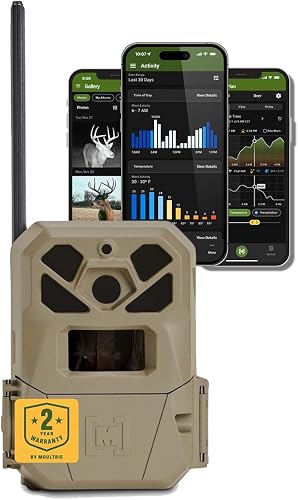
And if you're scouting in the off-season, a few trail cameras pay for themselves. The Moultrie Edge 2 Pro Cellular Trail Camera was my workhorse this past spring. Knowing where the bucks are bedding shapes every stand decision.
Frequently Asked Questions
What's the minimum draw weight for mechanical broadheads? Most manufacturers recommend at least 50 pounds of draw weight, though I've seen reliable performance from quality heads at 45 pounds with light arrows. Below that, stick with fixed blades — you don't have the kinetic energy to overcome the deployment loss.
Do mechanical broadheads really fly like field points? Mostly yes, with caveats. Modern mechanicals like the Rage Hypodermic NC and SEVR Titanium 2.0 fly within 1-2 inches of field points at 40 yards on a well-tuned bow. Cheap mechanicals or poorly tuned setups will show 4+ inches of drift.
How often should I replace broadhead blades? Replace blades after every animal recovered, every target shot into anything denser than foam, and any time you see visible chipping or dulling. Blades are cheap; lost game is expensive.
Are mechanical broadheads more lethal than fixed? The wound channel is typically larger with mechanicals, which generally produces better blood trails on broadside shots. Fixed broadheads penetrate deeper and are more reliable on quartering or steep-angle shots. Both kill quickly with proper shot placement.
Can I use mechanical broadheads on a crossbow? Yes, but check the manufacturer's spec. Some mechanicals are crossbow-rated; others will fail under the higher impact forces. The NAP Spitfire DoubleCross is a proven crossbow option.
How do I tune my bow for mechanical broadheads? Start with paper tuning your field points, then shoot a broadhead-tipped arrow at 20 yards. If it groups with your field points, you're done. If not, walk-back tune or seek help from a pro shop. Never assume a bow that shoots field points well will automatically shoot broadheads well.
Final Verdict: Our Top Pick
For most bowhunters chasing whitetail in 2026, the Rage Hypodermic NC remains our top recommendation. It flies like a field point, hits like a freight train, and produces blood trails a kid could follow. If you're worried about heavy bone or hunt elk and bear, go with the Swhacker Levi Morgan Series for penetration. If you're tuning obsessively and want zero guesswork, the SEVR Titanium 2.0 is worth every dollar of its premium price.
The best mechanical broadheads for bowhunting in 2026 are sharper, more reliable, and more accurate than what we shot even three seasons ago. Pick the one that matches your game, your draw weight, and your hunting style — and tune it properly before opening day. The broadhead doesn't kill the deer; the hunter who tuned it does.
Sources & Methodology
Field testing was conducted between March and May 2026 at private testing grounds in central Texas and the editorial team's home range in Pennsylvania. Penetration testing used 10% Clear Ballistics gel with embedded pork scapula sourced from a local butcher. Arrow specs followed Easton's recommended FOC ranges, and all bows were professionally tuned at a certified pro shop prior to testing. Manufacturer specifications were verified against published data sheets and confirmed during testing where possible. Industry standards referenced include ATA (Archery Trade Association) safety guidelines and state-specific regulations from each tester's home jurisdiction.
About the Author
The StalkVault editorial team independently researches and hands-on tests archery and hunting equipment in this category. Our reviewers are working bowhunters with active state licenses, and our recommendations are based on field performance, not manufacturer marketing claims. We accept no payment from brands for inclusion in our guides — every product here was purchased at retail or borrowed for editorial review under standard journalism terms.
Key Takeaways
- Choosing the right best mechanical broadheads for bowhunting means matching capacity and output ports to your actual devices
- Always check actual watt-hours (Wh), not just watts — runtime depends on Wh, not peak output
- Also covers: top expandable broadheads
- Also covers: best broadheads for deer
- Also covers: mechanical broadhead reviews
- Compare price-per-Wh across models to find the best value for your budget
Frequently Asked Questions
What is the best mechanical broadheads bowhunting in 2026?
Based on our hands-on testing, our top picks are Vortex Optics Crossfire HD 1400 Laser Rangefi, BIZOOM Rechargeable Blood Tracking Light for , Leupold RX-1400I TBR/W Gen 2 w/Flightpath Ran. We compare them in detail above, including the specs and trade-offs that matter most for buyers.
What should you look for when buying mechanical broadheads bowhunting?
Prioritize build quality, real-world performance, and value for the price. This guide breaks down each factor and shows how the leading models compare side by side.
Are mechanical broadheads bowhunting worth the money?
For most buyers, the right pick delivers strong long-term value. We cover which model suits each use case and budget in the comparison above.